Latest Publications
Programme Officer IV (Level 6) General
Post No. 000613, October 2026
Year: 2026
The successful candidate will fulfil the role of Programme Officer IV (Level 6) and will be assigned an entry level administrative role with responsibility for a range of tasks in the office assigned. They will work as part of a multi-disciplinary team with both scientific/technical and business support staff and may be assigned to any office in the EPA, duties may vary depending on the nature of work carried out by the office.
Oifigeach Clár IV (Leibhéal 6) Ginearálta
Post No. 000613, October 2026
Year: 2026
Comhlíonfaidh an t-iarrthóir rathúil ról Oifigeach Cláir IV (Leibhéal 6) agus sannfar dó/di ról riaracháin leibhéal iontrála a bheidh freagrach as raon tascanna san oifig a shanntar. Oibreoidh siad mar chuid d’fhoireann ildisciplíneach le foireann tacaíochta eolaíochta/teicniúla agus gnó araon agus féadfar iad a shannadh d’aon oifig san EPA, d’fhéadfadh go n-athróidh dualgais ag brath ar nádúr na hoibre a dhéanann an oifig.
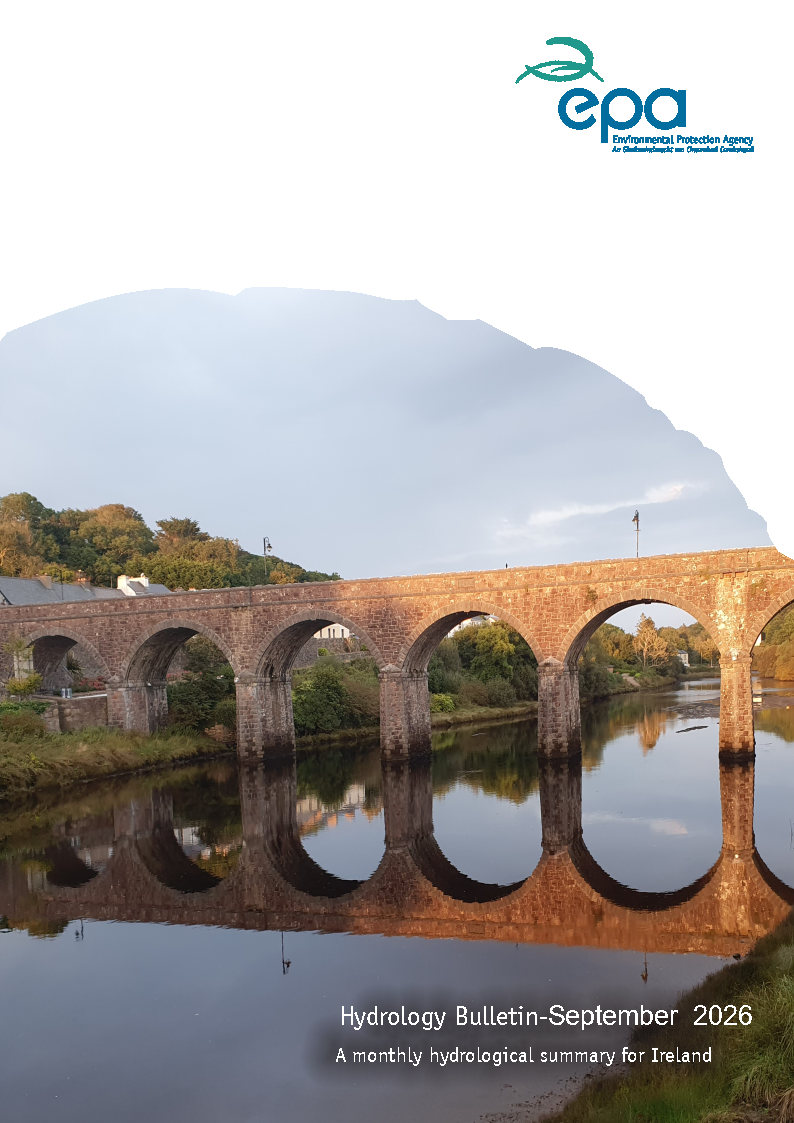
Hydrology Summary Bulletin - September 2026
Hydrology bulletin on rainfall, river flows, lake levels, groundwater levels and spring outflows for September 2026, October 2026
Year: 2026
Hydrology Summary Bulletin outlining the flows in rivers, rainfall, lake and turlough levels, groundwater levels and spring outflows of over 300 stations across Ireland for the month.
SEA of local authority Land Use Plans - EPA recommendations and resources
Year: 2026
This document forms part of submissions we make on local authority land-use plans undergoing strategic environmental assessments (SEA). It includes: key environmental recommendations to consider; information on recently published relevant EPA reports; links to useful environmental resources for local authorities carrying out SEA of land-use plans. It is updated regularly and was last uploaded on 12th October 2026
Solid Fuel Producer Register (2026-2027)
A list of registered solid fuel producers, from 1st September 2026 to 31st August 2027. , October 2026
Year: 2026
Producers list
EPA submission: EPR Scheme for Textiles Delivery Plan (EPA Ref: EPAC-1326)
Year: 2026
EPA response to the public consultation by the Department of Climate, Energy and Environment on the draft Extended Producer Responsibility (EPR) Scheme for Textiles Delivery Plan (EPA Ref: EPAC-1326).
EPA submission: Ireland's National Food Waste Prevention Roadmap 2026-2028 (EPA Ref: EPAC-1426)
Year: 2026
EPA response to the public consultation by the Department of Climate, Energy and the Environment on Ireland's National Food Waste Prevention Roadmap 2026-2028 (EPA Ref: EPAC-1426).
EPA submission: Draft Bioeconomy Strategy 2026-2030 (EPA Ref: EPAC-1626)
Year: 2026
EPA response to the public consultation by the Department of Climate, Energy and the Environment on the draft Bioeconomy Strategy 2026-2030 (EPA Ref: EPAC-1626).
EoW Criteria when recycled aggregate ceases to be waste under Regulation 28 of the European Union (Waste Directive) Regulations 2011 – 2020
Recycled aggregate ceases to be waste , October 2026
Year: 2026
Establishing criteria determining when recycled aggregate ceases to be waste under Regulation 28 of the European Union (Waste Directive) Regulations 2011 – 2020
EoW Criteria when recycled aggregate Green Rock 3 ceases to be waste under Regulation 28 of the European Union (Waste Directive) Regulations 2011 – 2020
Recycled aggregate Green Rock 3 ceases to be waste , October 2026
Year: 2026
Establishing criteria determining when recycled aggregate Green Rock 3 ceases to be waste under Regulation 28 of the European Union (Waste Directive) Regulations 2011 – 2020
EoW Criteria when recycled aggregate Green Rock 4 ceases to be waste under Regulation 28 of the European Union (Waste Directive) Regulations 2011 – 2020
Recycled aggregate Green Rock 4 ceases to be waste , October 2026
Year: 2026
Establishing criteria determining when recycled aggregate Green Rock 4 ceases to be waste under Regulation 28 of the European Union (Waste Directive) Regulations 2011 – 2020
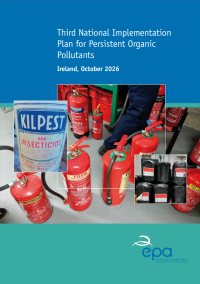
Ireland's Third National Implementation Plan for Persistent Organic Pollutants
Year: 2026
Persistent Organic Pollutants (POPs) are a group of hazardous chemicals that persist in the environment, can bioaccumulate in the food chain, and can be toxic to human health and the environment. Examples of POPs include some older pesticides such as DDT, flame retardants found in older furniture, specific types of industrial chemicals, some of which were used in firefighting foam, and pollutants released from illegal burning of waste. The UN Stockholm Convention on POPs is a global treaty which aims to protect human health and the environment from POPs. Ireland became a Party to this Convention in 2010 and is required to develop a National Implementation Plan (NIP) on POPs and update it as necessary. New POPs have been identified globally in the past few years. In 2026 the EPA updated Ireland’s National Implementation Plan for Persistent Organic Pollutants to include these new chemicals.
Advisory Committee Meeting 6 July 2026
Advisory Committee Meeting Minutes held on 6 July 2026, October 2026
Year: 2026
Minutes of the Advisory Committee Meeting held on 6 July 2026
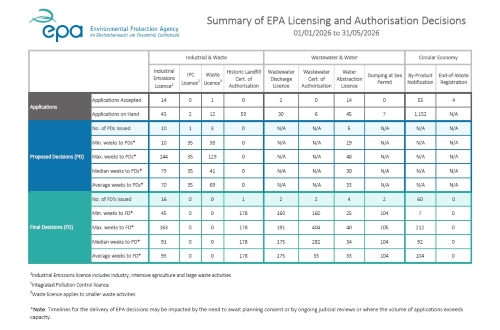
EPA Licensing and Authorisation Decision Monthly Metrics
Year: 2026
EPA Licensing and Authorisation decision metrics - published monthly.
EPA Calibration Service Terms and Conditions 2027
Year: 2026
EPA Calibration Service Terms and Conditions
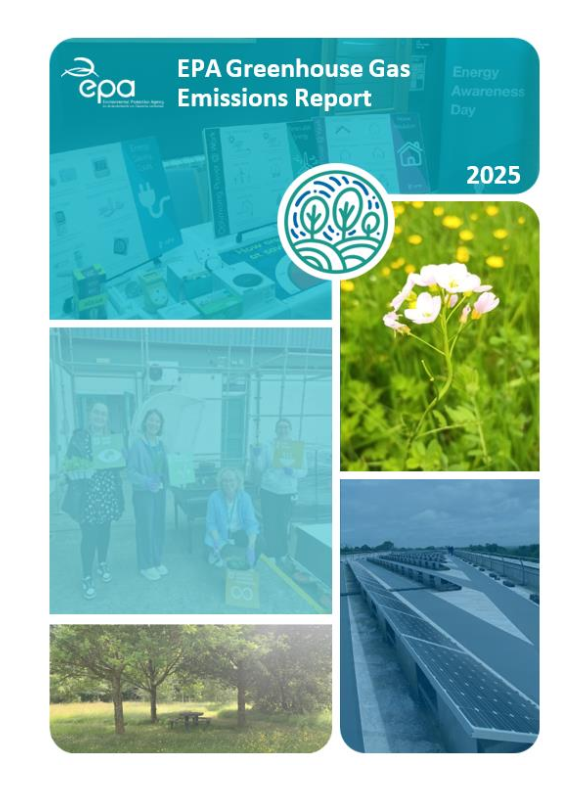
EPA GHG Emissions Report 2025
Year: 2026
The purpose of this report is to provide a comprehensive breakdown of the EPA’s greenhouse gas emissions (hereinafter referred to as Carbon emissions) in 2025 arising from internal operations across 6 main locations; EPA Headquarters, Johnstown Castle, Co. Wexford and EPA Regional Inspectorates located in Dublin, Castlebar, Kilkenny, Monaghan and Cork.
EPA submission: National Planning Excellence Framework (EPA Ref: EPAC-1226)
Year: 2026
EPA response to the Public Consultation on the National Planning Excellence Framework (EPA Ref: EPAC-1226).
Radiological Protection Advisory Committee Meeting Minutes 14th May 2026
Year: 2026
Minutes of the Radiological Protection Advisory Committee meeting held on 14th May 2026
Persistent Organic Pollutants (POPs) Glossary
Year: 2026
This document contains a glossary of terms relating to Persistent Organic Pollutants (POPs).