Latest Waste Publications
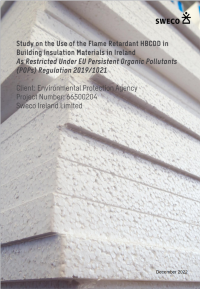
Study on the Use of the Flame Retardant HBCDD in Building Insulation Materials in Ireland
Year: 2022
This report examines the historical use of hexabromocyclododecane (HBCDD), a persistent organic pollutant (POP) and brominated flame retardant that was widely used in building insulation materials for fire safety. HBCDD is persistent, bioaccumulative and toxic, posing risks to human health and the environment and is regulated under EU POPs Regulation (2019/1021).
National Waste Statistics Summary Report for 2020
Year: 2022
This report summarises EPA data on waste generation and management in Ireland in 2020. It highlights key trends and progress towards EU targets and identifies where further measures are needed to improve Ireland's recycling rates and deliver the transition to a circular economy. The report collates and synthesises information available on the EPA Waste Statistics webpages: www.epa.ie/nationalwastestatistics
Examples of fluorine free foams
Year: 2022
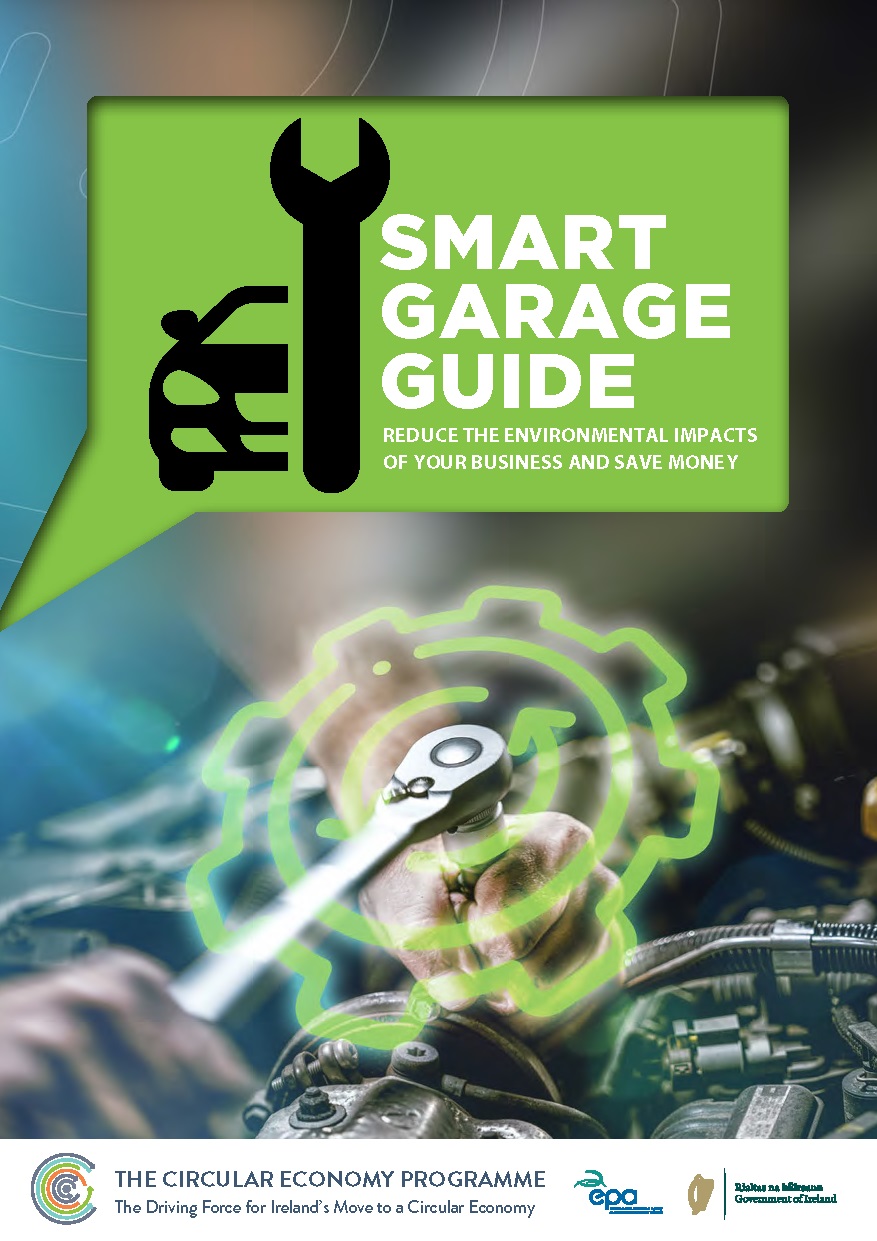
Smart Garage Guide
Year: 2022
This guide promotes good environmental practice in Garages and provides information on how to comply with legislation relating to garage and vehicle servicing operations.
PFOA EPA Factsheet
Year: 2022
FAQs on PFOA foam reporting stockpiles
Year: 2022
Guidance for the Transportation and Temporary Storage of Metallic Mercury Waste
Year: 2022
This guidance relates specifically to metallic mercury and not to mercury compounds or mixtures.
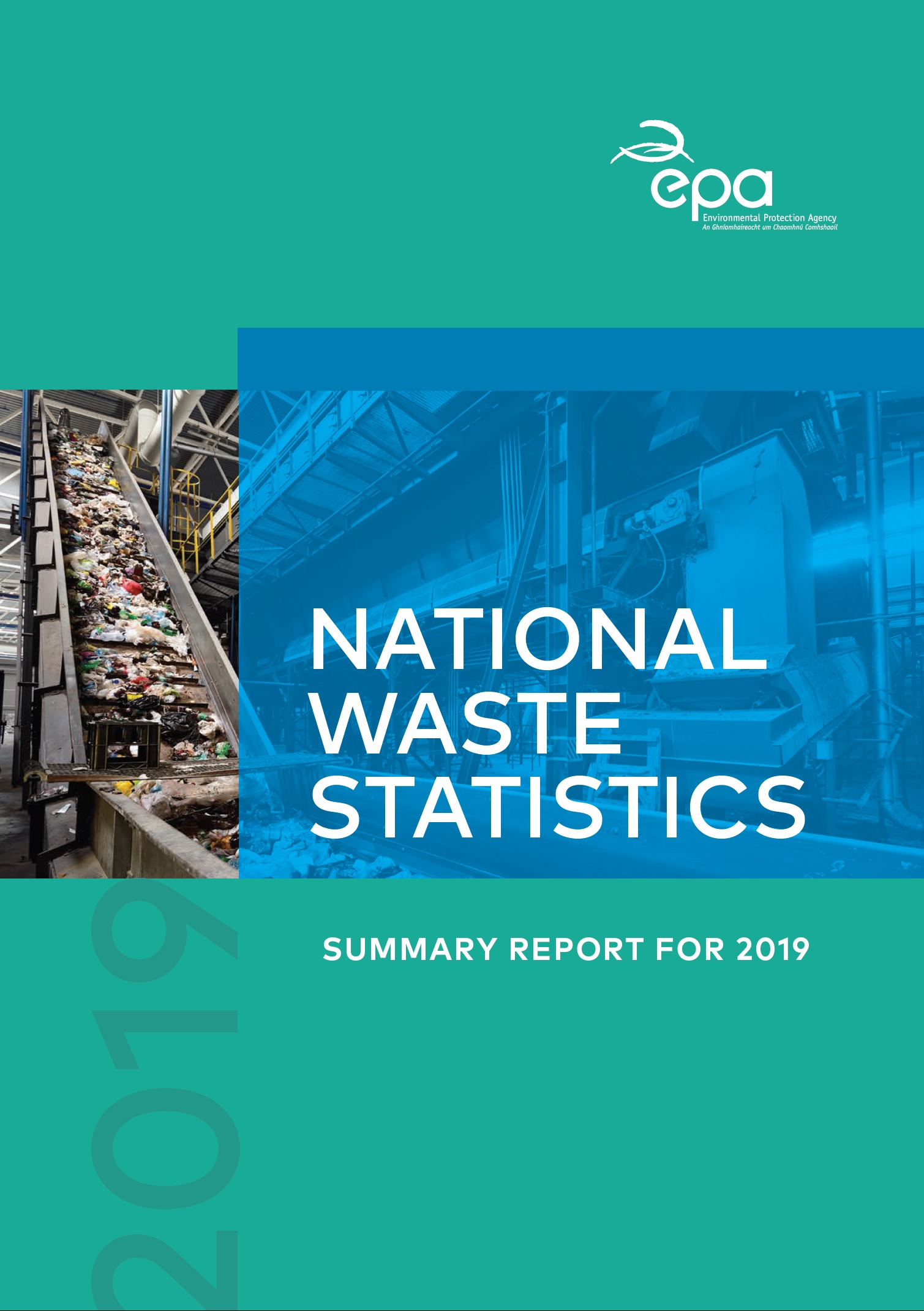
National Waste Statistics Summary Report for 2019
Year: 2021
This report summarises EPA data on waste generation and management in Ireland in 2019. It highlights key trends and progress towards EU targets and identifies where further measures are needed to improve Ireland’s recycling rates and deliver the transition to a circular economy. The report collates and synthesises information available on the EPA Waste Statistics webpages: www.epa.ie/nationalwastestatistics
The Changing Nature of Fire-Fighting Foams - Poster
Understanding the risk posed by PFAS, May 2021
Year: 2021
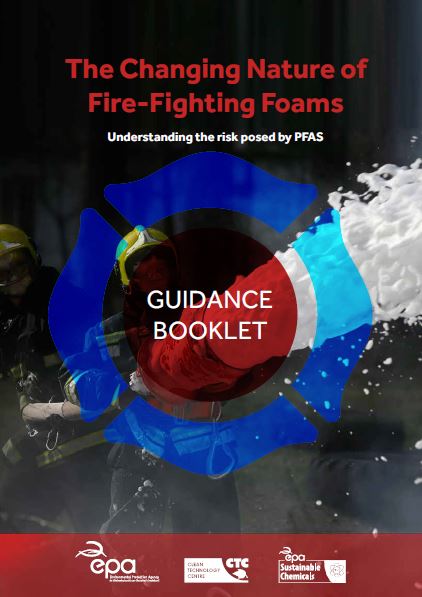
The Changing Nature of Fire-Fighting Foams - Guidance Booklet
Understanding the risk posed by PFAS, May 2021
Year: 2021
Monitoring for per- and poly-fluoroalkyl substances (PFAS) and brominated flame retardants (BFRs) at fire training sites
Year: 2021
Per- and poly-fluoroalkyl substances (PFAS) are a large group of man-made chemicals widely used in industrial and consumer products due to their water and oil resistance, chemical and heat stability, friction reduction and surfactant properties. They can be found in many everyday products, including outdoor clothing and also in fire-fighting foams but can have harmful effects on human health and the environment.

PCB's in Open Applications in Ireland
Year: 2021
Polychlorinated biphenyls (PCBs) are a group of chemicals mainly produced during the 1900s, with potentially serious health and environmental effects.

Persistent Organic Pollutants, Landfill Leachate Sampling Study
Year: 2021
Numerous hazardous substances have been detected in landfill leachate including certain persistent organic pollutants (POPs), which can pose a serious risk to human health and the environment. The Environmental Protection Agency (EPA) commissioned a study to investigate landfill leachate for a range of POPs and other hazardous chemicals and to assess the disposal routes and management of the leachate.

Determining Historic and Current PFAS Levels in AFFF in the Republic of Ireland.
PFAS in fire-fighting foam, February 2021
Year: 2021
A desktop study and survey of users of PFAS-containing fire-fighting foams highlighting the potential risks to human health and the environment via their disposal and use.
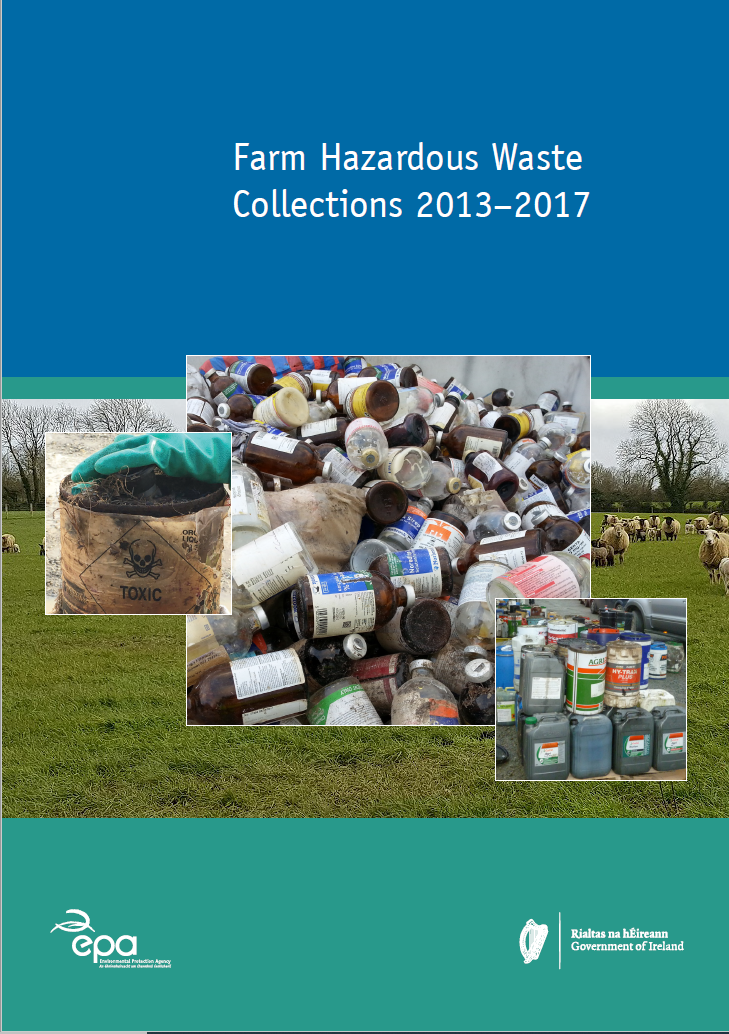
National Waste Statistics Summary Report for 2018
Year: 2020
This report summarises EPA data on waste generation and management in Ireland in 2018. It highlights key trends and progress towards EU targets and identifies where further measures are needed to improve Ireland’s recycling rates. The report builds on information available on the EPA Waste Statistics webpages: www.epa.ie/nationalwastestatistics/
Resource Efficiency Case Studies
Resource Efficiency Case Studies, December 2019
Year: 2019
Resource Efficiency Case Studies
Guidance documents for waste statistics reporting
Waste Classification - List of Waste & Determining if Waste is Hazardous or Non-hazardous, December 2019
Year: 2019
Applicable from 5 July 2025. For additional information, please see additional documents below.