Latest Research reports
Research 521: Enablers in SME Circular Economy Engagement
Authors: Peter Mooney and Kanishka Mendhekar, September 2026
Year: 2026
Small and medium-sized enterprises (SMEs) are a key sector of the Irish economy. This research, led by Maynooth University examines how SMEs engage with the circular economy (CE), the barriers they encounter, and the enablers needed to support adoption of circular practices. The study found that while SMEs express positive attitudes towards sustainability, CE engagement is limited. Most focus on low-risk circular actions such as waste reduction, recycling and resource efficiency, while the adoption of more advanced circular approaches are uncommon. Key barriers include financial constraints, capacity, expertise, regulations and inadequate infrastructure. Despite these challenges, the research highlights that access to practical, sector-specific financial supports, technical guidance and infrastructure can enhance the adoption of circular practices. The research concludes that the CE presents an opportunity for SMEs to improve sustainability, efficiency and long-term competitiveness.
Research 520: Remanufacturing for Ireland (ReManIre)
Authors: Damian Coughlan, Colin Fitzpatrick, Jason Power and Alan Ryan, September 2026
Year: 2026
The potential role of remanufacturing in Ireland in supporting a circular economy was examined through the ReManIre project, led by UL. Using literature review, stakeholder mapping, interviews and a survey, opportunities to improve resource efficiency, supply chain resilience, decarbonisation and job creation are identified. Barriers include low awareness, reliance on linear business models, regulatory uncertainty, limited access to product data, high labour costs, weak product return systems and skills shortages. Growth opportunities are supported by EU circular economy policies, Digital Product Passports, advanced technologies, Ireland’s manufacturing strengths and green public procurement. The project recommends establishing a national policy framework and a Centre of Excellence to support research, training, testing and industry collaboration. Findings provide evidence to strengthen competitiveness, reduce environmental impacts and generate economic value through remanufacturing.
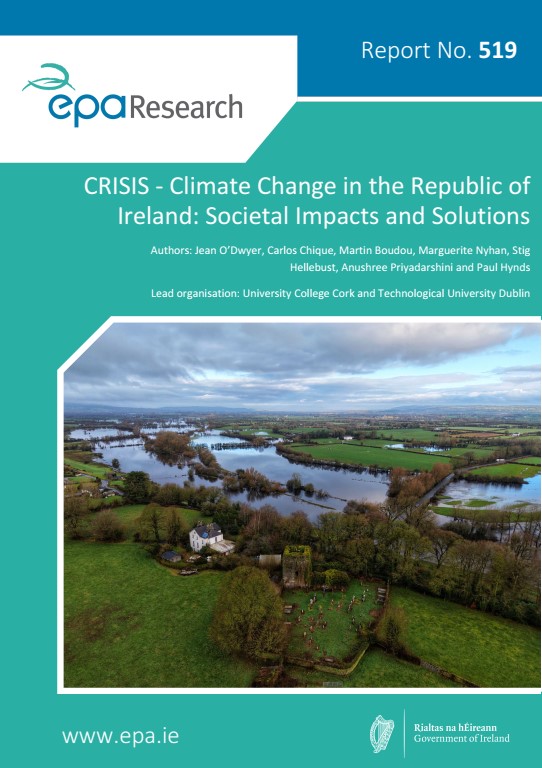
Research 519: CRISIS – Climate Change in the Republic of Ireland: Societal Impacts and Solutions
Authors: Jean O’Dwyer, Carlos Chique, Martin Boudou, Marguerite Nyhan, Stig Hellebust, Anushree Priyadarshini and Paul Hynds, August 2026
Year: 2026
Climate Change in the Republic of Ireland: Societal Impacts and Solutions, (CRISIS) led by UCC provides the first integrated assessment of the societal and public health impacts of climate change in Ireland. Using surveys, health data, spatial analysis and climate projections, the findings demonstrate how extreme weather events (EWEs) and changing climate patterns are already impacting health, with floods and heatwaves linked to increased waterborne diseases and negatively impacting mental well-being. Younger people, urban residents and socioeconomically disadvantaged groups reported the highest levels of stress. This research provides important Ireland-specific evidence to support climate-resilient public health policies. Findings can inform climate adaptation planning, disease surveillance, emergency preparedness, water quality management and targeted support for vulnerable communities, helping policymakers and public health agencies prepare for future climate-related health risks.
Research 518: A Strategic Look at Natural Water Retention Measures: The SloWaters Project
Authors: Mary Bourke, Darragh Murphy, Paul Quinn, Mark E. Wilkinson, Simon Harrison, John Weatherill and Caspar Hewett, August 2026
Year: 2026
This TCD research addressed growing flood risk and reduced water quality in Ireland, driven by climate change and intensive agriculture, by providing the first empirical evidence of Nature-based Solutions (NbS) in rural landscapes. Demonstration sites tested measures such as offline storage areas, leaky dams and woodland swales. Advanced modelling tools assessed the impact of these measures on flood attenuation and water quality. Results showed that NbS can reduce runoff, temporarily store floodwater, lower nitrate concentrations and complement traditional engineering approaches. Engagement with stakeholders informed practical resources, including modelling tools, a literature database and an interactive story map. While research was limited to small catchments and lower-magnitude floods, findings support mainstreaming NbS into national flood policy, supported by long-term funding, farmer participation, training and further research on large-scale performance and phosphorus management.
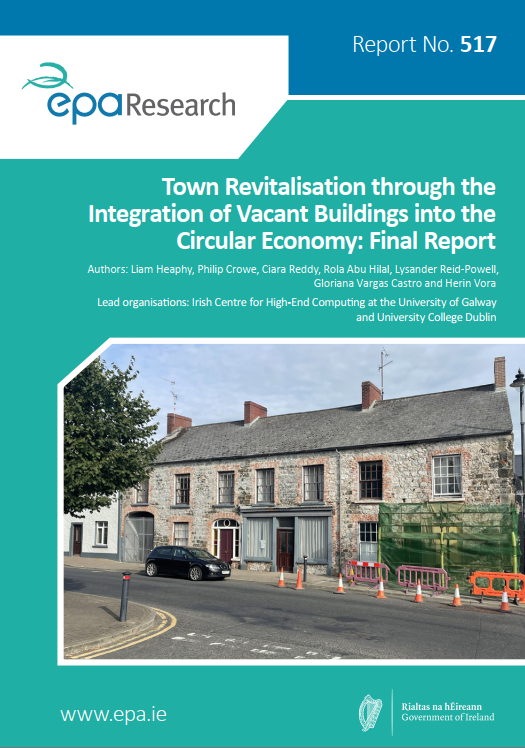
Research 517: Town Revitalisation through the Integration of Vacant Buildings into the Circular Economy: Final Report
Authors: Liam Heaphy, Philip Crowe, Ciara Reddy, Rola Abu Hilal, Lysander Reid-Powell, Gloriana Vargas Castro and Herin Vora, July 2026
Year: 2026
The built environment accounts for nearly 40% of global carbon emissions, with the construction sector driving substantial resource depletion, waste generation, and environmental degradation. The Irish Centre for High-End Computing (UoG) and UCD addressed a research gap by examining the costs and barriers to the adaptive reuse of vacant buildings in Irish towns. The findings show vacancy is concentrated in terraced town-centre buildings and derelict sites, highlighting the need for targeted solutions. Retrofitting existing buildings was found to have significantly lower carbon impacts than new construction, with further savings possible through retaining more building elements, low-carbon design choices and block-scale regeneration. Key barriers included accessibility issues, legal complexities, limited data and resource constraints. The research recommends low-carbon retrofitting policies, improved grant schemes, professional training and Town Centre First planning initiatives.
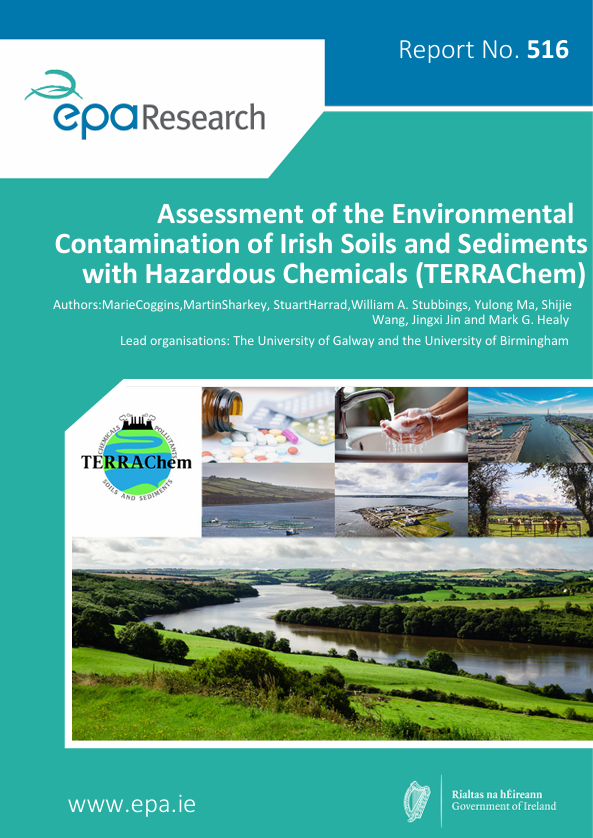
Research 516: Assessment of the Environmental Contamination of Irish Soils and Sediments with Hazardous Chemicals (TERRAChem)
Marie Coggins, Martin Sharkey, Stuart Harrad, William A. Stubbings, Yulong Ma, Shijie Wang, Jingxi Jin and Mark G. Healy, July 2026
Year: 2026
The use of chemicals brings major societal and economic benefits, but problems arise when hazardous, persistent substances bioaccumulate with the potential to negatively impact human health and the environment. TERRAChem assessed concentrations of 92 legacy and emerging organic contaminants in sediments across Ireland, and in wastewater treatment plant biosolids. Chemicals studied included PFAS, flame retardants, PCBs, pharmaceuticals, UV filters and insecticides. Most chemicals studied posed a low ecological risk, however, clarithromycin and sulfamethoxazole showed moderate to high risk. Three contamination hotspots were identified and elevated concentrations of some antibiotics and UV filters were often found downstream of wastewater discharges. The findings support future monitoring that aligns with chemicals, soils and wastewater policies and inform guidance on biosolids application to land. Further research on soil contaminants and biosolid-treated land is recommended.
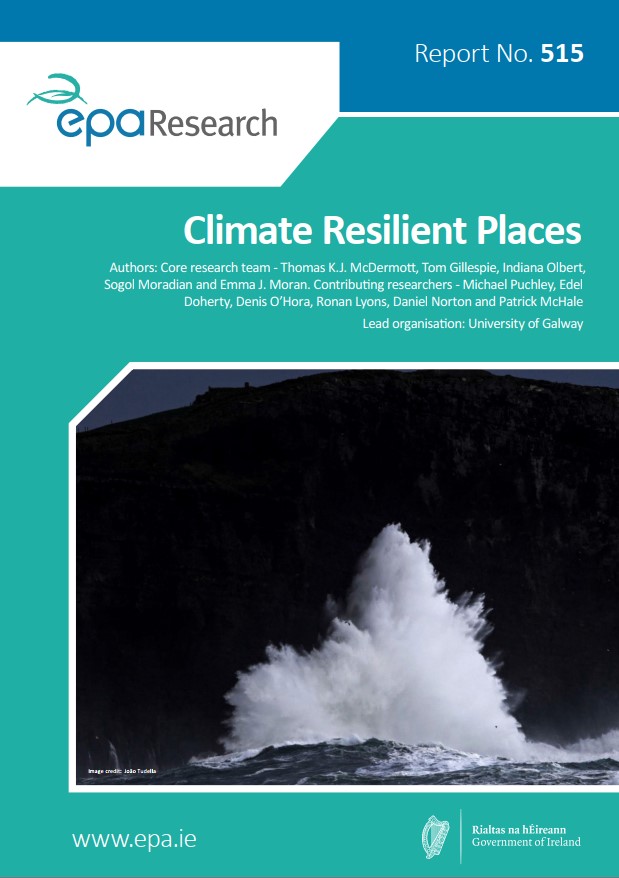
Research 515: Climate Resilient Places
Authors: Core research team - Thomas K.J. McDermott, Tom Gillespie, Indiana Olbert, Sogol Moradian and Emma J. Moran. Contributing researchers - Michael Puchley, Edel Doherty, Denis O’Hora, Ronan Lyons, Daniel Norton and Patrick McHale, May 2026
Year: 2026
This research led by University of Galway addressed a critical knowledge gap in how increasing flood risk due to climate change, will affect Irish communities at a local level. It examined future flood hazards and costs, how people understand these risks, and how planning, housing and adaptation policies influence community vulnerability. Using high‑resolution flood modelling, economic damage estimates, housing market analysis, planning data and stakeholder engagement, the project provides new local‑level evidence. The findings show that climate change will expand floodplains, increase uneven economic losses, and that housing markets only partly reflect risk. Perceptions of flood risk vary widely, highlighting the need for clearer communication. The results provide practical evidence to inform planning, infrastructure investment and adaptation, support better risk‑aware policies, and foster community engagement in building climate‑resilient places in Ireland.
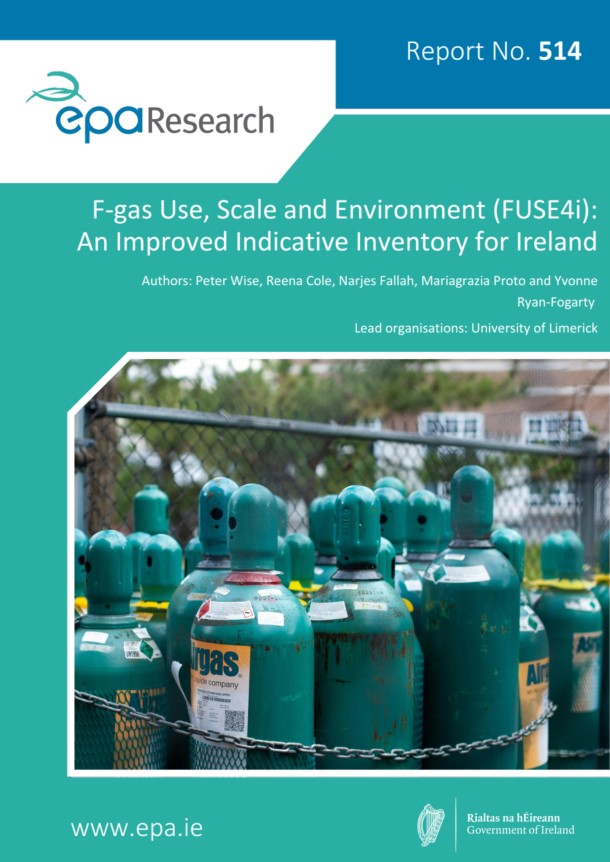
Research 514: F-gas Use, Scale and Environment (FUSE4i): An Improved Indicative Inventory for Ireland
Authors: Peter Wise, Reena Cole, Narjes Fallah, Mariagrazia Proto and Yvonne Ryan-Fogarty, May 2026
Year: 2026
Sulfur hexafluoride (SF6), F-gas, is a human made synthetic, colourless and odourless, non-flammable (GHG). It has the highest 100-year global warming potential (GWP) of all GHGs. This research led by a team in UL analysed SF6 use, conducted stakeholder engagement and used modelling to assess SF6 use, emissions data and Environmental Impact Assessment requirements in the power and semiconductor sectors. The findings highlighted weaknesses in data collection, reporting, and end‑of‑life management of SF6‑containing equipment. The research recommends ‘Best Practice’ emissions reducing alternatives and increased training for safe handling to support policymakers, regulators, and industry in meeting regulatory obligations. The findings also support improved regulation, emission reduction strategies, and circular economy objectives, while noting limitations related to reliance on industry to self‑report and challenges due to incomplete private‑sector data availability.
Research 513: Assessing Administrative Burdens as Barriers to Implementation of Ireland’s Climate Action Plan
Authors: Cara Augustenborg, Patricia Lentz, Leonhard Lades, Margaret Samahita and Lucie Martin, April 2026
Year: 2026
Using an innovative mixed‑methods approach combining behavioural science and environmental policy, UCD researchers examined administrative factors that delayed implementation of three priority climate action schemes in Ireland, namely, the Afforestation Scheme 2023–2027, the Solar for Schools Programme and the Shared Island Sports Club EV Charging Scheme. The project screened climate actions, audited the three schemes, gathered stakeholder insights and tested behavioural impacts through surveys and experiments. Surveys, experiments and interviews showed reduced stakeholder understanding and engagement due to complex systems, excessive paperwork, poor communication and limited staffing. The findings provide policy actors with practical evidence and recommendations to reduce administrative burdens through more streamlined processes, clearer communication and ‘sludge audits’, supporting more accessible, equitable and effective climate policy delivery in Ireland.
Research 512: Assessing Land Use in Ireland: An Integrated Framework and Review of Indicators
Authors: Zachary Turk, Tracy Bradfield, Cathal Buckley, Emma Dillon and Thia Hennessy, April 2026
Year: 2026
Effective land use policy supports economic development, environmental protection and socio economic well-being. This report outlines a tiered indicator framework for monitoring land use-driven outcomes and identifies key information gaps that must be addressed for full implementation. While progress has been made in aligning Ireland’s land use policies with national and EU sustainability goals, further investment in data infrastructure and cross-sectoral collaboration is needed. Strengthening the evidence base will enhance Ireland’s ability to meet climate, biodiversity and socio-economic targets while building long-term resilience.
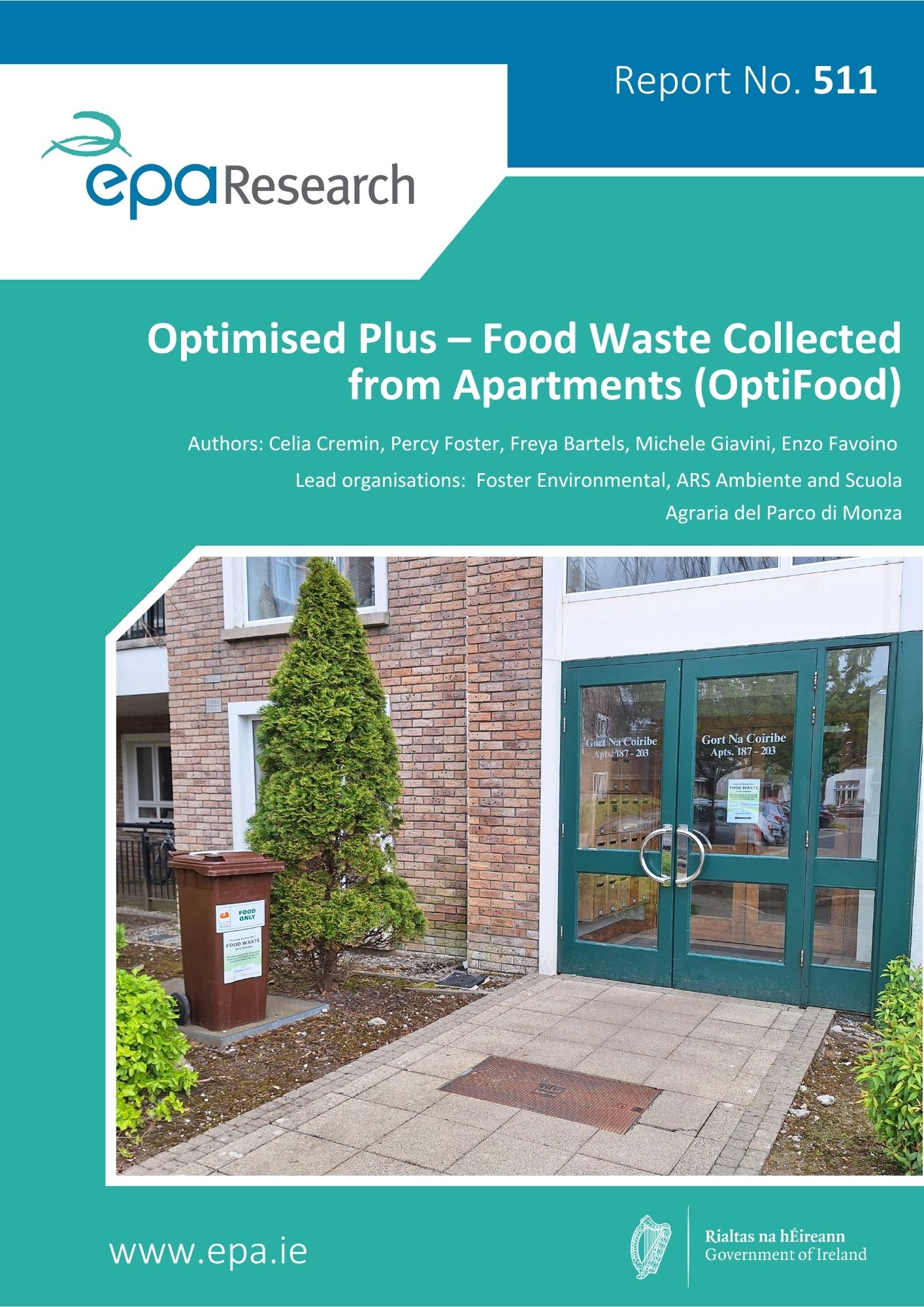
Research 511: Optimised Plus – Food Waste Collected from Apartments (OptiFood)
Authors: Celia Cremin, Percy Foster, Freya Bartels, Michele Giavini, Enzo Favoino, April 2026
Year: 2026
This research by Foster Environmental Ltd, aimed to address the environmental challenge of low food waste segregation in Irish apartment buildings. The 2022 national household municipal waste characterisation study found that only one third of food waste was correctly segregated into organic (brown) bins, and that apartment households had particularly poor food waste segregation practices. This research study found, through examining a range of interventions with apartment residents, that simple, targeted behavioural “nudges”, especially those that that make food waste segregation more convenient and personally engaging, can improve food waste segregation in apartment settings. The study’s innovative approach, combining behavioural psychology with practical waste infrastructure, offers a replicable model that could substantially increase food waste collection from apartment buildings nationwide.
Research 510: Remediation of Faulty Septic Tanks: A Mixed Methods Approach to Environmental Risk Communication (REMARC)
Authors: Linda Fox-Rogers, Paul Hynds, Simon Mooney, Rabia Asghar and Jean O’Dwyer, March 2026
Year: 2026
Approximately 526,000 households in Ireland rely on septic tanks for wastewater treatment. Evidence from the EPA indicates that many Domestic Wastewater Treatment Systems (DWWTS) do not meet required standards resulting in pollution of nearby surface waters and groundwater, posing environmental and public health risks. This research led by UCD, TUD and UCC provides key insights and prescriptive recommendations gathered through a structured suite of multi-modal inquiries spanning top-down and bottom-up DWWTS management perspectives.
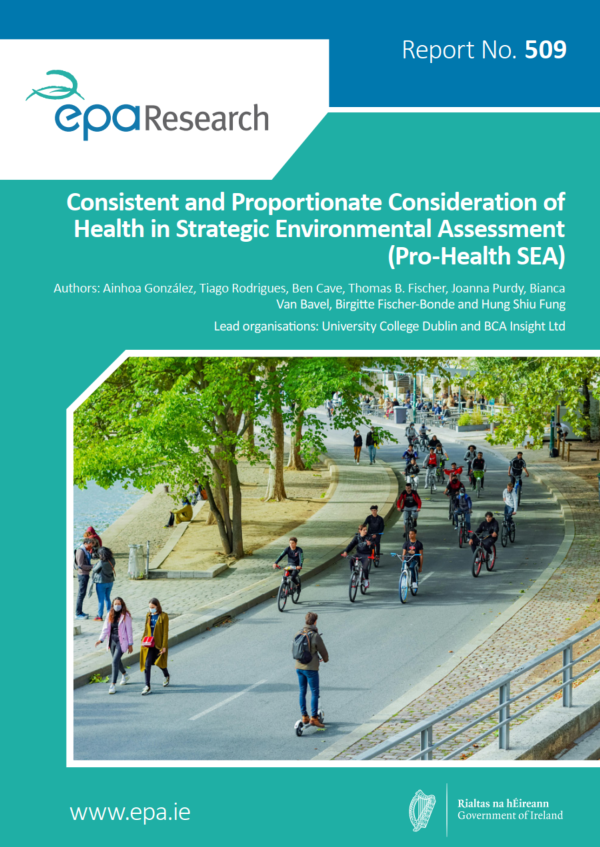
Research 509: Consistent and Proportionate Consideration of Health in Strategic Environmental Assessment (Pro-Health SEA)
Authors: Ainhoa González, Tiago Rodrigues, Ben Cave, Thomas B. Fischer, Joanna Purdy, Bianca Van Bavel, Birgitte Fischer-Bonde and Hung Shiu Fung, February 2026
Year: 2026
Strategic environmental assessment (SEA), a mandatory requirement under Directive 2001/42/EC is a framework for formal, systematic evaluation of the likely significant environmental effects of implementing a plan or programme. This research led by a team in UCD reviewed international practice and consulted with health and SEA experts to develop a Health in SEA Toolkit underpinned by a ‘pick and choose’ format to customise for the subject plan or programme. The findings show how to integrate public health into plan-making and ways to strengthen practice by using clear health definitions, assessing direct/indirect health effects and considering inequalities. Applying evidence-based indicators and involving health professionals throughout the SEA process is recommended. Findings inform the proportionate consideration of physical and mental health in SEA. They provide evidence to build capacity and to guide and strengthen health considerations to support EPA, National and EU guidelines.
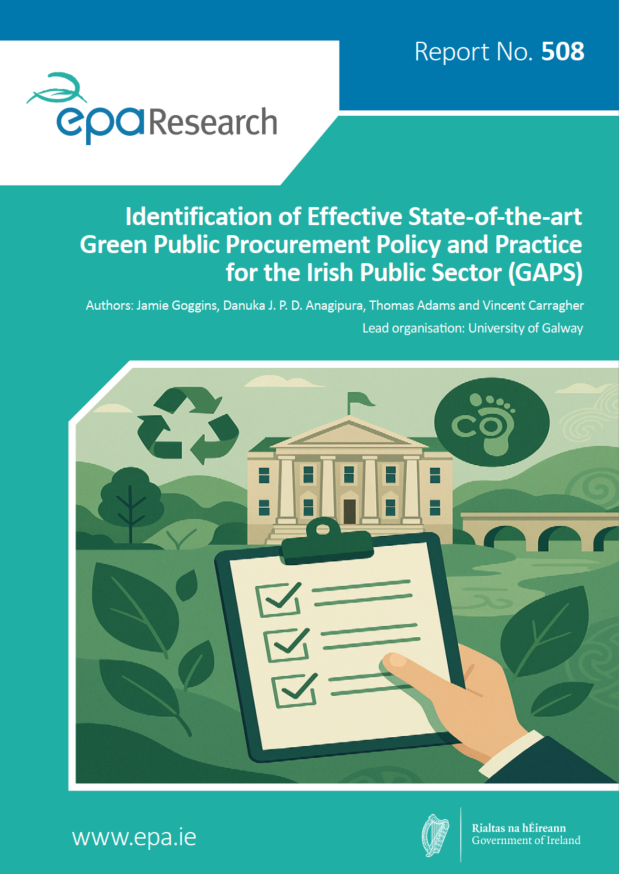
Research 508: Identification of Effective State of the Art Green Public Procurement Policy and Practice for the Irish Public Sector (GAPS)
Authors: Jamie Goggins, Danuka JPD Anagipura, Thomas Adams, Vincent Carragher , February 2026
Year: 2026
Green Public Procurement (GPP) is acknowledged nationally and at EU level as a key policy lever in improving sustainability. This Green Public Procurement: Analysis and Support (GAPS) project led by a team in University of Galway examined factors that limit public sector uptake of green procurement and developed tools to facilitate its implementation. Using expert surveys, case studies, and workshops, the research found that unclear criteria, limited training, governance constraints and low supplier readiness impede adoption, while standardised criteria, strong mandates, capacity building, and market incentives can drive progress. Key outputs included a carbon footprint calculator covering Scope 1–3 emissions and a searchable GPP case study finder. The findings and recommendations provide a clear pathway for Irish public sector organisations, offering scalable approaches needed to enhance Ireland’s GPP performance.
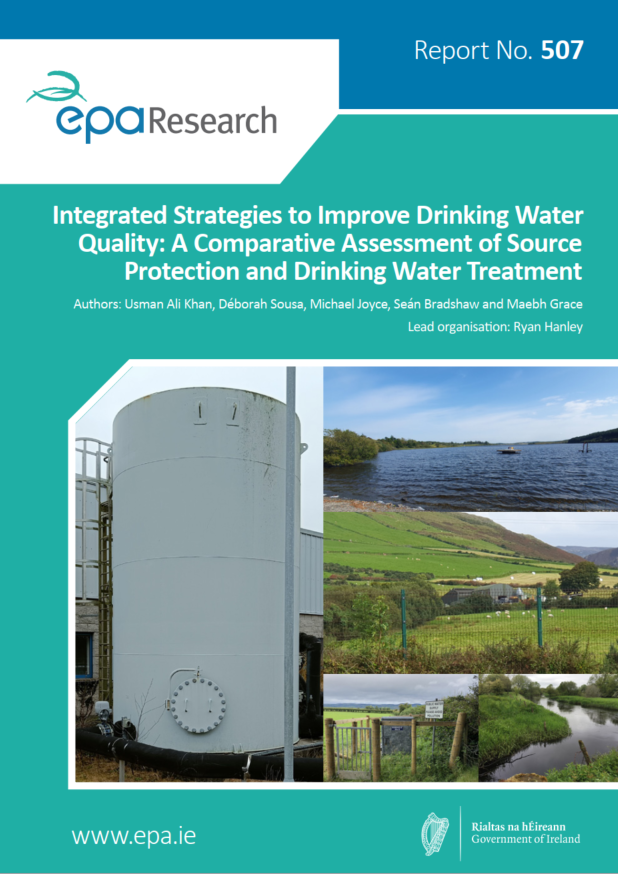
Research 507: Integrated Strategies to Improve Drinking Water Quality: A Comparative Assessment of Source Protection and Drinking Water Treatment
Authors: Usman Ali Khan, Déborah Sousa, Michael Joyce, Seán Bradshaw and Maebh Grace, February 2026
Year: 2026
Ensuring the safety and sustainability of drinking water sources is mandated under the Water Framework Directive. This research led by a team in Ryan Hanley Consultants Ltd investigated source protection (SP) measures using advanced drinking water treatment technologies (DWT) to improve drinking water in diverse Irish catchments. It examined how site-specific catchment attributes influence the effectiveness of SP and DWT strategies. A multi criteria analysis (MCA), supported by cost assessments and expert input, identified the most suitable combinations of SP and DWT options. The findings suggest that integrated, site specific solutions best achieve regulatory compliance, reduce long term costs and support sustainability. The MCA framework offers policymakers a tool to balance technical, economic and social criteria. It recommends quantitative validation to strengthen its recommendations and public awareness initiatives that encourage behavioural changes to support water protection.
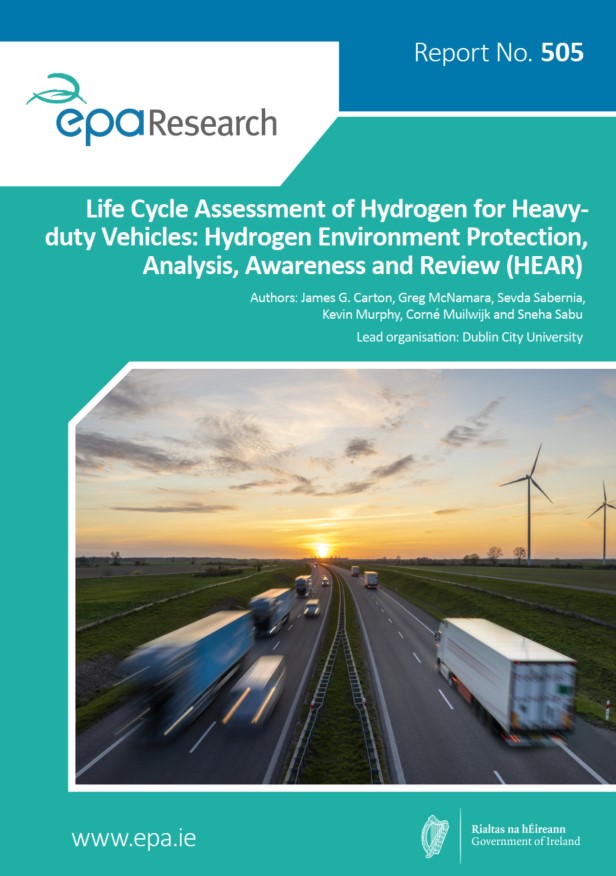
Research 506: Life Cycle Assessment of Hydrogen for Heavy-duty Vehicles: Hydrogen Environment Protection, Analysis, Awareness and Review (HEAR)
Authors: James G. Carton, Greg McNamara, Sevda Sabernia, Kevin Murphy, Corné Muilwijk and Sneha Sabu., January 2026
Year: 2026
Transportation in Ireland accounts for approximately 36% of total energy consumption, using predominantly fossil fuel. The HEAR desk study led by a team in DCU examined hydrogen as a sustainable fuel for heavy-duty vehicles in Ireland to meet Ireland’s fossil fuel reduction commitments. Mobility is essential, but current diesel-based systems pose environmental and health risks. A literature review and life cycle assessment evaluated hydrogen’s environmental impacts across production, transport, and refuelling compared to diesel. Findings show that green hydrogen, produced from renewable energy, is the least harmful option in key impact categories such as climate change and water pollution. The research provides stakeholders with new datasets on hydrogen’s potential role in reducing emissions. Further research is recommended on life cycle costs and hydrogen production pathways which the study notes should also be evaluated from other perspectives.
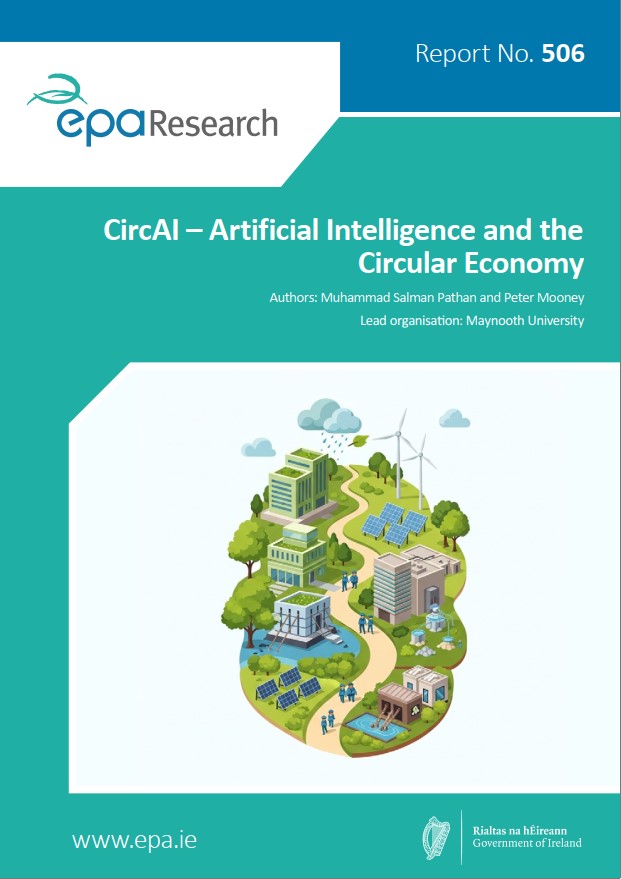
Research 505: CircAI – Artificial Intelligence and the Circular Economy
Authors: Muhammad Salman Pathan and Peter Mooney, January 2026
Year: 2026
Artificial Intelligence (AI) is continually advancing and evolving, offering solutions to address challenges across many sectors of society including waste management and climate change. The Artificial Intelligence and the Circular Economy - CircAI project led by a team in Maynooth University explored how AI can support Ireland’s circular economy (CE). While global best practices show AI’s potential to optimise CE processes, the research highlighted that Irish Small and Medium Enterprises (SMEs) lack familiarity with its benefits and limitations. The findings revealed that use of AI is hindered by insufficient education and training on AI applications and CE principles. The research recommends the need for greater understanding by AI developers to meet stakeholders’ needs, increased funding for AI-driven CE models and financial incentives for SMEs. This could be facilitated by expert-led advisory groups informing policy, increased stakeholder collaboration, and educational platforms.
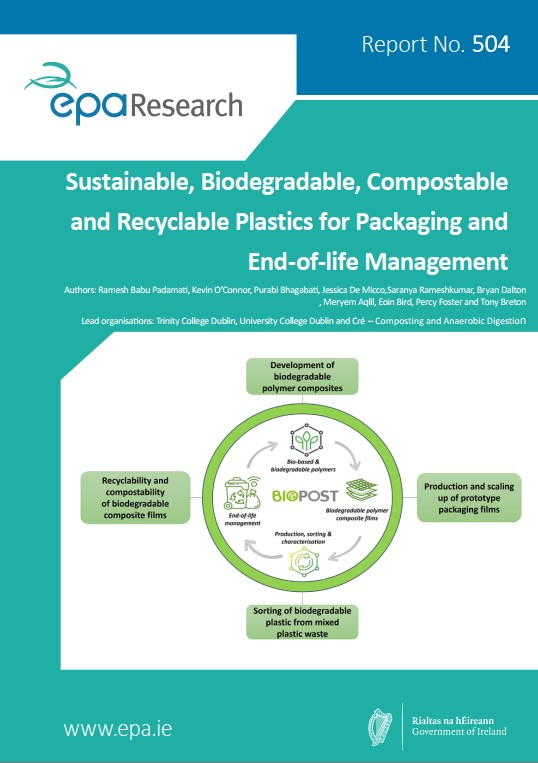
Research 504: Sustainable, Biodegradable, Compostable and Recyclable Plastics for Packaging and End-of-life Management
Authors: Ramesh Babu Padamati, Kevin O’Connor, Purabi Bhagabati, Jessica De Micco, Saranya Rameshkumar, Bryan Dalton, Meryem Aqlil, Eoin Bird, Percy Foster and Tony Breton , January 2026
Year: 2026
In Ireland, plastic waste accounted for nearly 25% of total packaging waste in 2023, with only one-third of this waste recycled. The BioPOST project, led by a team in Trinity College, explored creating biodegradable plastic as sustainable alternatives to support Ireland’s commitment to meet the 55% recycling target by 2030 under the EU Packaging and Packaging Waste Regulation. Testing sorting systems and exploring sustainable recycling options on a pilot scale were also central to the research. Pilot trials achieved 60–90% segregation of biodegradable plastics using optical sorting and demonstrated that most blends were compostable under Irish industrial conditions. Findings show current infrastructural deficits impede effective segregation and recovery and recommend the need for systems for labelling, collection, and recycling to enable bioplastic circularity. Policy actors are provided with feasible options and evidence to produce, sort and recycle biodegradable plastic composites.
Climate Research in Ireland 2024
The National Environmental Coordination Group (NERCG) supports and promotes coordination and knowledge exchange between state bodies involved in funding Environmental research in Ireland., December 2025
Year: 2025
This report has been prepared by the EPA on behalf of the NERCG to highlight climate and climate-related funding by the members for the previous year.
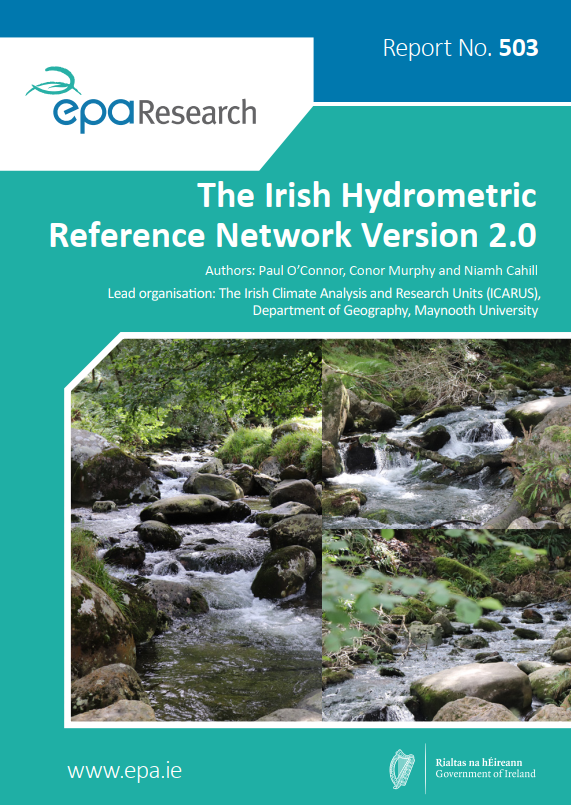
Research 503: The Irish Hydrometric Reference Network Version 2.0
Authors: Paul O’Connor, Conor Murphy and Niamh Cahill, December 2025
Year: 2025
Hydrometric reference networks are crucial for tracking climate variability, hydrological modelling and extreme events. This research, led by a team in Maynooth University, enhanced the Irish Hydrometric Reference Network (IHRN) to better detect climate-driven changes in river flows across Ireland. Building on the EPA HydroDetect project, it adds a key tool for water management and addresses gaps in understanding floods, average flows and droughts. Findings show increasing high and mean flows in winter and decreasing low flows in spring and summer indicating greater flood and drought risks. Long-term reconstructions show stronger seasonal trends and the influence of the North Atlantic Oscillation. The updated IHRN dataset underscores the importance of hydrological modelling, flood risk management and climate resilience planning. The research recommends expanding the network to include groundwater and lakes with coordinated national oversight to ensure Ireland’s hydrological resilience.