Priority urban areas where treatment needs to improve

There are deficiencies in many public sewers and wastewater treatment plants due to a legacy of under-investment. Addressing all of the infrastructure problems will take many years and require substantial investment. It is therefore essential to prioritise improvements where they are most urgently needed and will bring the greatest environmental benefits.
The EPA has identified priority areas where Uisce Éireann must target resources to improve wastewater treatment and protect the environment.
You can find details about the priority areas and the environmental issue at each area by downloading the priority areas list. This also shows Uisce Éireann’s plans and timelines for resolving the issues at each area. Further information on the priority areas is available in the EPA’s latest Urban Wastewater Treatment Report.
The number of priority areas where treatment needs to improve has decreased from 148 in 2017 to 72 in July 2026.
Priority Areas
Compliance with the Urban Wastewater Treatment Directive
In 2025, wastewater treatment at 13 of Ireland’s 190 large urban areas did not meet European Union standards set to protect the environment. The graph shows the number of areas that failed the standards over the period 2017 to 2025.
Nearly half (48%) of the wastewater in Ireland’s 190 large urban areas came from the 13 areas that failed to meet the standards in 2025. The failure of Ringsend treatment plant is of particular concern, as it serves a population equivalent of over 2 million. A major upgrade of Ringsend treatment plant, designed to bring it into compliance with national and EU standards, has now been completed.
Compliance with Urban Wastewater Treatment Directive
Raw sewage
In mid-2026 untreated wastewater (raw sewage) from the equivalent of approximately 15,000 people in 11 towns and villages still flowed into the environment every day.
Thirty-nine areas that were discharging raw sewage have been connected to treatment plants since 2014.
Raw Sewage
Significant pressures on water quality
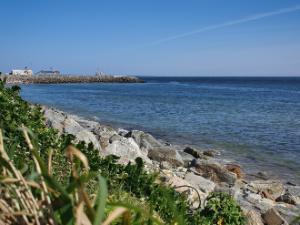
Wastewater that is not properly treated can lead to pollution and harm the quality of rivers, estuaries, lakes and coastal waters. The EPA is prioritising 35 areas where wastewater has been identified as the main significant pressure on local water bodies.
Improving treatment at these areas will help protect and improve the quality of the local environment, which will in turn support local communities, healthy ecosystems and a diverse range of plants and animals.
Wastewater collecting systems
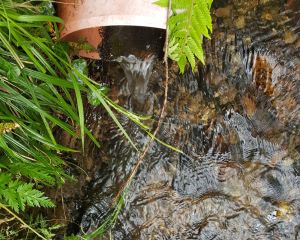
Ireland’s wastewater collecting systems include an estimated 26,000 kilometres of underground sewers and over 2,300 pumping stations. These carry sewage from our homes and communities to treatment plants.
Collecting systems at six large urban areas are prioritised for upgrades to protect the environment and address a 2019 judgment from the Court of Justice of the European Union. These upgrades are necessary to ensure sewage is retained within the collecting systems and conveyed for treatment.
Bathing waters
-x-300.jpg)
Most of Ireland’s bathing waters meet or exceed the minimum required quality standards.
However, Uisce Éireann must address intermittent discharges of untreated sewage which contributed to a poor bathing water classification at one designated bathing water in 2025.
Freshwater pearl mussels
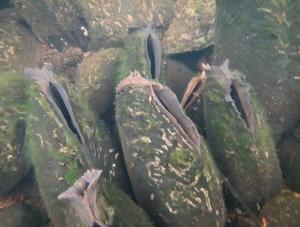
The EPA is prioritising nine towns and villages where wastewater treatment must improve to protect freshwater pearl mussels that live in the rivers downstream of wastewater discharges. The freshwater pearl mussel is a globally endangered mollusc that requires clean, fast flowing, well oxygenated rivers and a clean riverbed.
The mussels are declining both nationally and internationally due to deteriorating river quality. Pollution, for example from inadequately treated wastewater, can be detrimental to the survival of new generations of mussels.
Shellfish waters
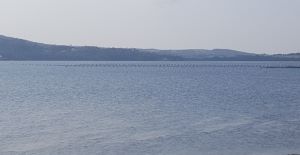
Shellfish waters are protected areas designated to support the life and growth of shellfish such as oysters and mussels. Wastewater discharged in the vicinity of these waters has the potential to contaminate shellfish with bacteria and viruses if it is not properly treated.
Uisce Éireann must improve treatment at five priority areas to protect shellfish.