Air Quality at Home
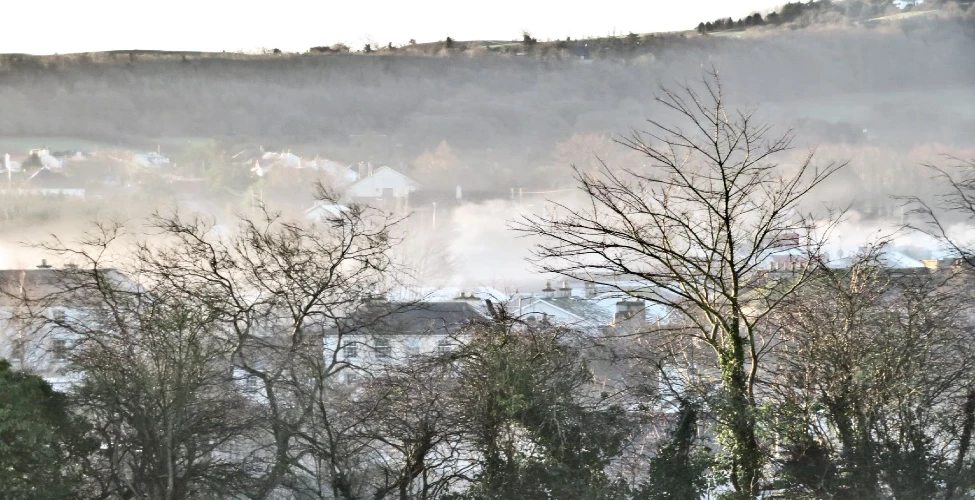
Air pollution in Ireland can be of a local nature, caused by the emission of specific pollutants which either directly, or through chemical reactions and transformations - lead to negative impacts.
Citizen Science in the Community
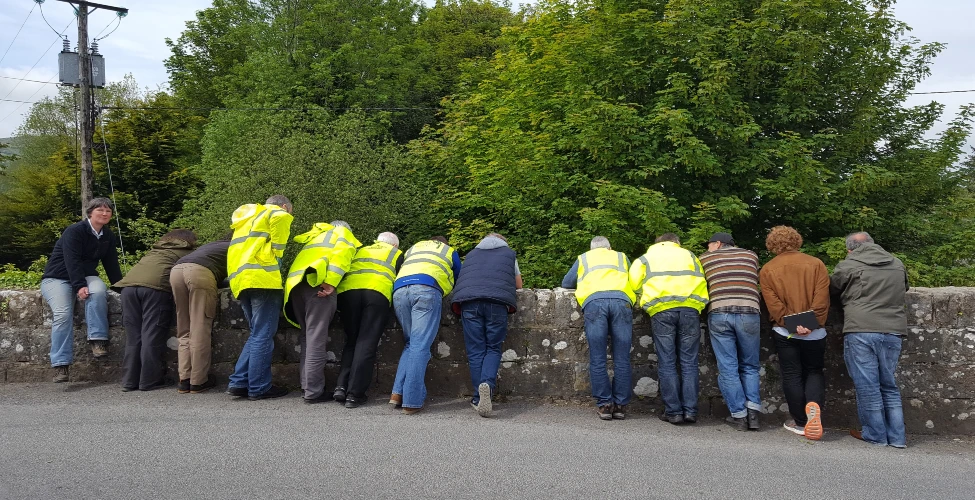
Citizen Science is research carried out by members of the public who volunteer to collect scientific data. This research often focuses on monitoring biodiversity, invasive species and climate.
Drinking Water at Home
If your well is contaminated and you are worried about you or your family’s health, you should contact your local HSE office and ask to speak to an Environmental Health Officer
Radon at Home
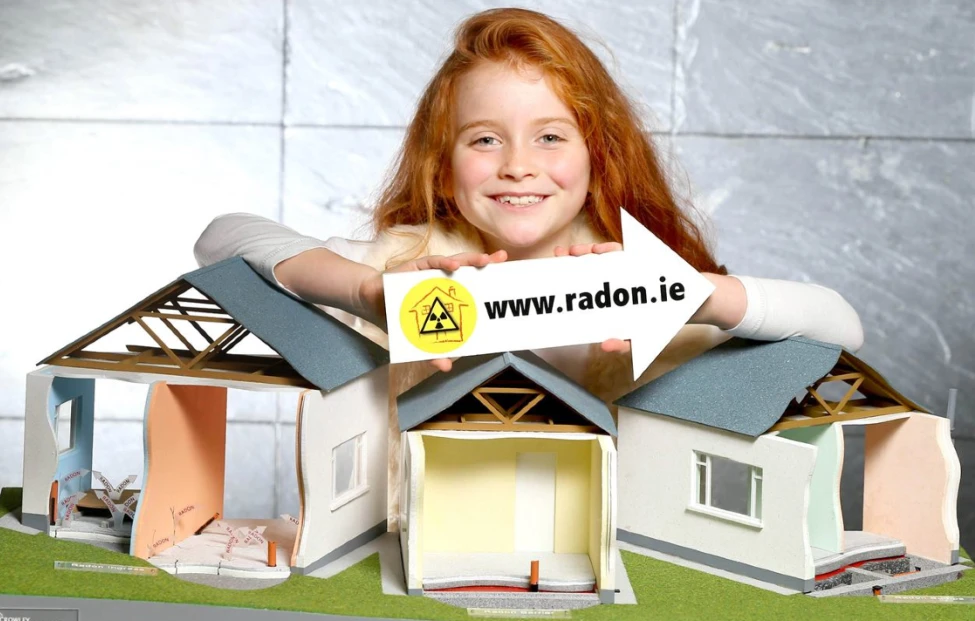
Radon is a radioactive gas that is present in our homes. It has no taste, colour or smell. It is formed in the ground by the radioactive decay of uranium which is present in all rocks and soils.
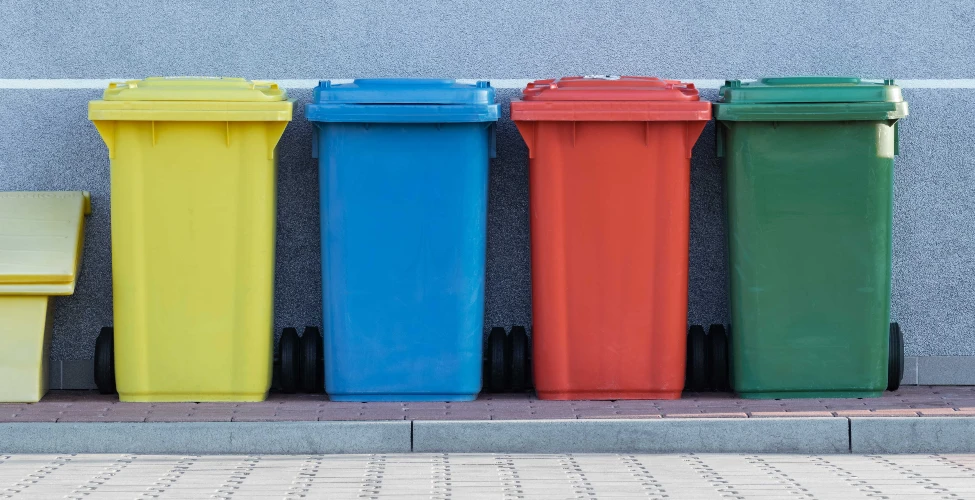
Waste in the Community
Each year, Irish households produce around 1 tonne of waste. The good news is that overall recycling rates continue to rise and our dependence on landfill as a waste management route is decreasing.
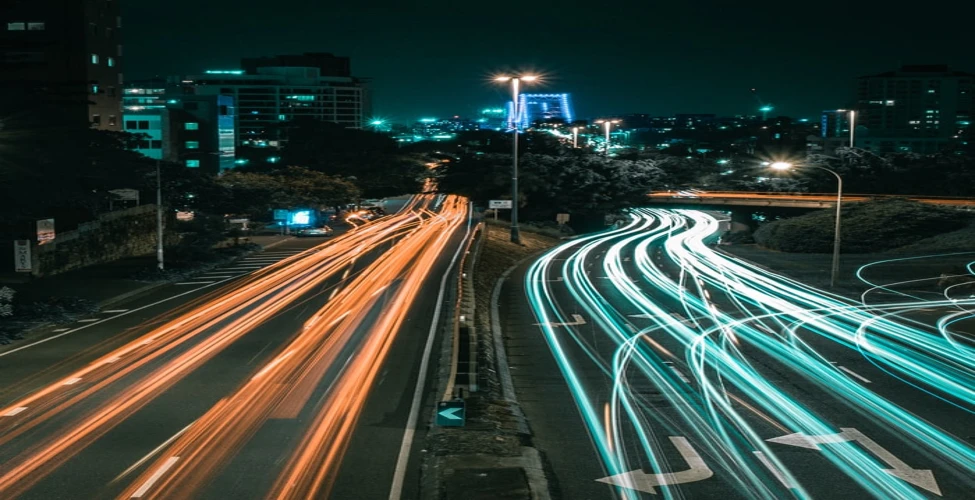
Noise at Home
Excessive noise can seriously harm human health and interfere with people’s daily activities at school, at work, at home and during leisure time. It can cause stress, disturb sleep, cause psychophysiological effects, and provoke annoyance responses, and changes in social behaviour.
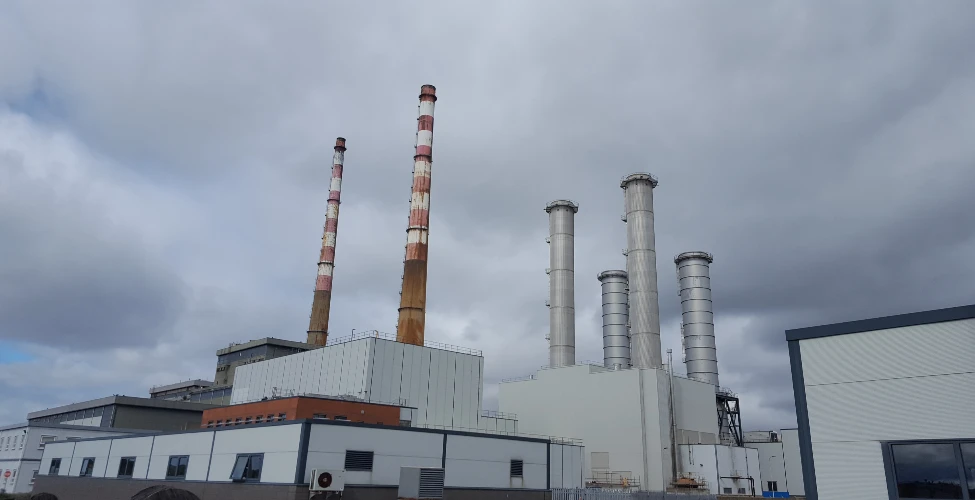
Climate Change at Home
Climate change as a consequence of global warming is now with us, and the sooner we act the less damage will be done to our society, economy and environment, and to us.
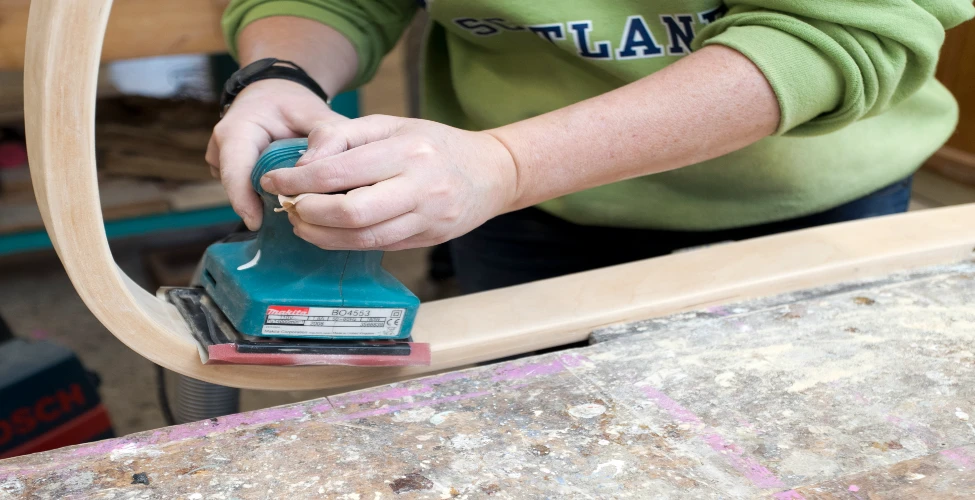
Circular Economy at Home
Rethink, Reduce, Reuse, Recycle, is well known as the mantra of sustainability. Waste prevention involves rethinking how we do things to avoid producing waste.
Radiation at Home
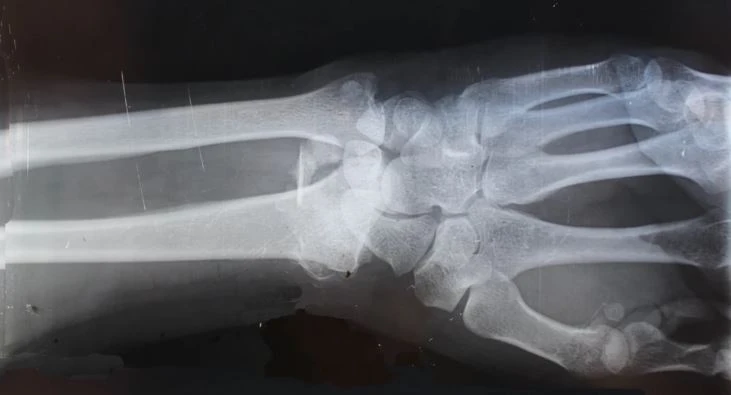
The Irish population is exposed to radiation from either natural or man-made sources present in the environment.
Waste water at Home
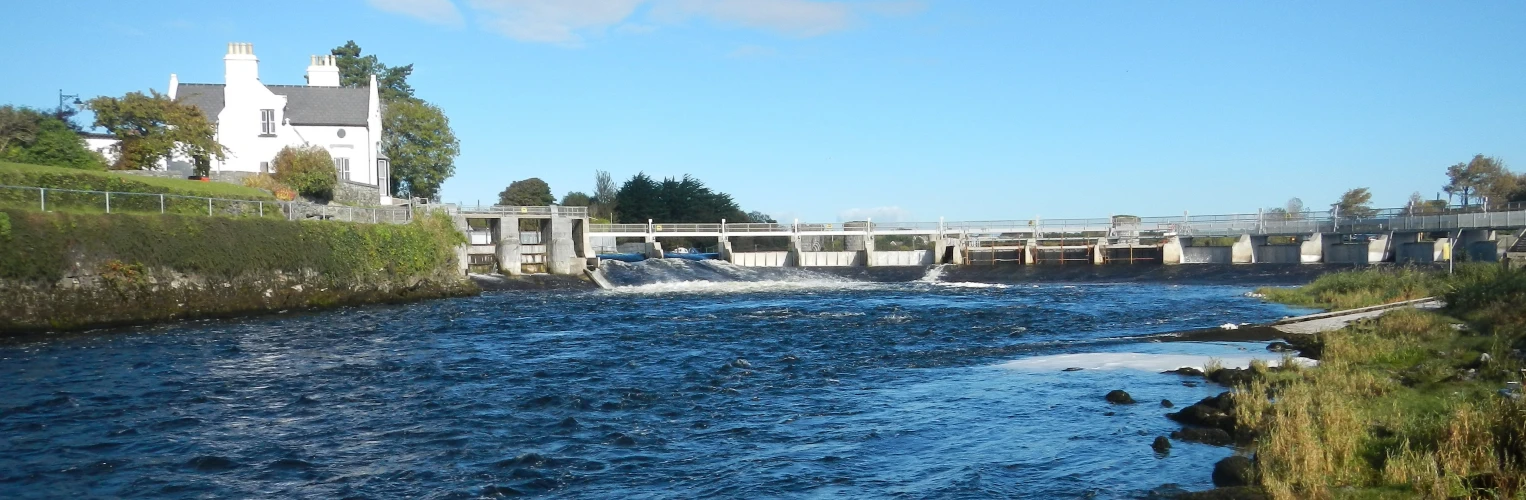
Wastewater is the polluted form of water generated from rainwater runoff and human activities