Latest Research Publications

Research 439: Research on the Environment, Health, Consumer Behaviour and the Economy: ESRI Research Programme on Environmental Socio-economics 2020–2022
Authors: Ylva Andersson, Peter Barlow, Philip Carthy, Kelly de Bruin, Míde Griffin, Seán Lyons, Pete Lunn, Bertrand Maître, Likun Mao, Maria Martinez Cillero, David Meier, Gretta Mohan, Kieran Mohr, Anne Nolan, Brian O’Connell, Vincent O’Sullivan, Aidan Sloyan, Shane Timmons, Miguel Tovar Reaños, Brendan Walsh and Aykut Mert Yakut, October 2023
Year: 2023
The main objective of this EPA-ESRI collaboration is to produce policy-relevant applied research at the interface between the environment, economy, and society. This report provides a summary of 12 studies, produced by the ESRI, that use a range of data and methodological approaches to provide insights into the environmental challenges facing Irish society. The studies include analyses of the impact on healthcare systems from the smoky coal ban, living in areas of higher PM2.5 levels, e-coli exceedances in drinking water and water related diseases in the summer months. It also examines the potential for a “green VAT”, the levels of emissions embedded in imports and the best ways to present information to people to enable action.

Research 438: The Use of Earth Observation and Machine Learning for Industrial and Waste Crime Identification and Prevention
Authors: Zane Ferch, Steve Coughlan, Charlotte O’Kelly and Sinead McGlynn, October 2023
Year: 2023
This research provides enforcement authorities with viable options to use cost effective technological tools to quickly detect and react to industrial and waste crime.

Research 437: PHENOGRASS – The Phenology of Perennial Ryegrass and its Potential Contribution to Grassland Carbon Sequestration
Authors: Jonathan Yearsley, Rainer Melzer and Carl Frisk, September 2023
Year: 2023
Agricultural grasslands are a crucial part of Ireland’s agroeconomy. Within these grasslands, perennial ryegrass (Lolium perenne) is the dominant species and underpins much of their performance, of which the timing of growth (i.e., the phenology of grasslands) is an important aspect. A late start or an early end to the growing season requires grazing livestock to be housed for longer, which in turn requires farmers to have additional reserves of forage. Reserves depend on the length of the grass growing season. Seasons with exceptionally late starts and those with poor forage harvests have been major contributory factors to past fodder crises, with broad consequences for the economy, animal welfare and human well-being.

Research 436: Assessing Potential for North Atlantic Integrated Atmospheric Research
Liz Coleman and Frank McGovern, August 2023
Year: 2023
The impact of human activity since the Industrial Revolution has altered the environment, pushing its stability to critical limits, with real implications for societal, economic and environmental systems. The planetary boundaries framework has provided a powerful tool for communicating the individual and collective threats arising from unsustainable post-industrial development, yet actions and responses take place at regional, national and local levels.

Research 435: Industrial Water 4.0 – A Framework for Catchment-based Digitally Integrated Industrial Water Stewardship
Authors: Colm Gaskin, Ken Stockil, Thomas Track, William Horan, Andres Lucht and Paul Conheady, July 2023
Year: 2023
Industrial activity is intrinsically linked to the accessibility and availability of water. The increasing global demand for industrial water poses a significant risk management challenge for organisations aiming to decouple the growth of production capacity from unsustainable consumption. This report presents a framework for industrial water users to adopt Industrial Water 4.0.
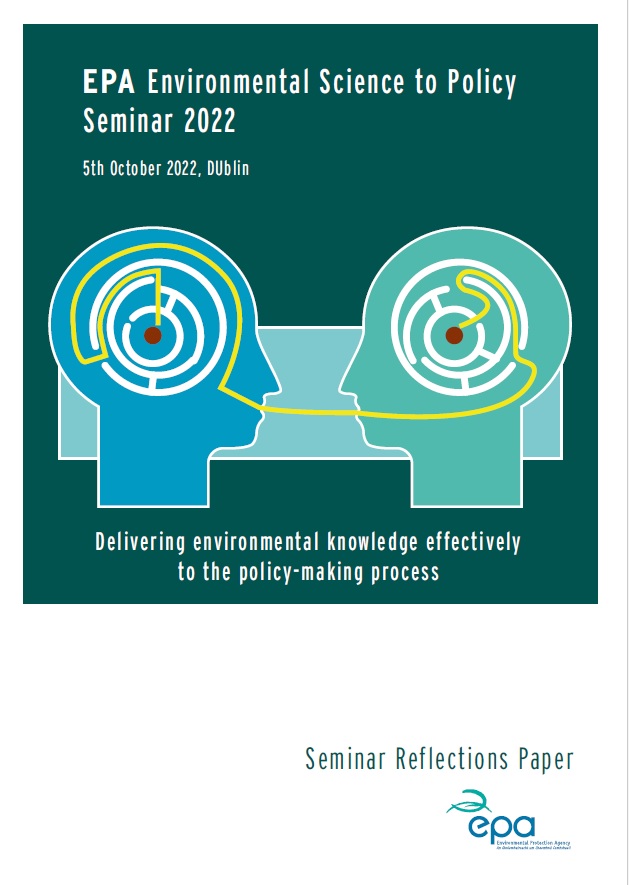
EPA Environmental Science to Policy Seminar 2022 - Seminar Reflections Paper
Year: 2023
The EPA organised an inaugural Environmental Science to Policy Seminar in October 2022. Its objective was to explore how best to improve the delivery of evidence and knowledge to the policymaking system. The event brought together policymakers, knowledge transfer practitioners and scientists from across government and academia to share experiences on the issues, constraints, good practices and ways forward. This Seminar Reflections Paper captures the key themes and recommendations that emerged during the seminar, to support and inform the national Science to Policy agenda.
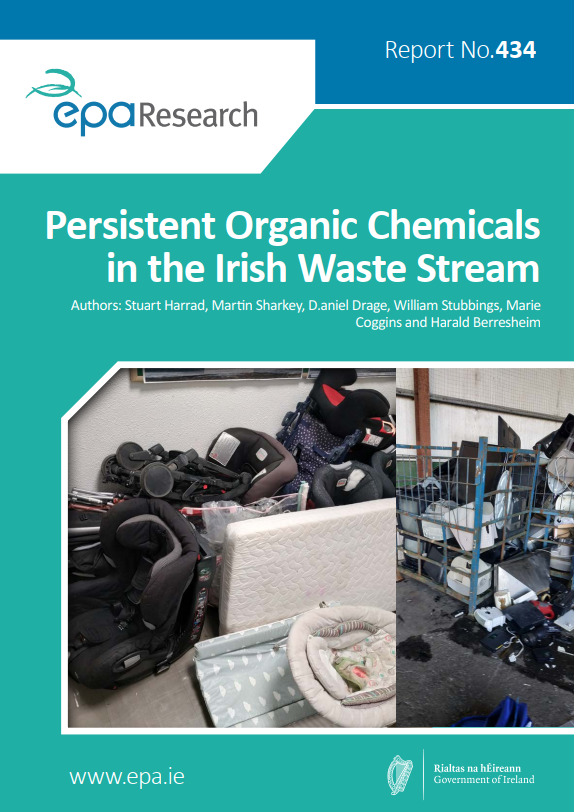
Research 434: Persistent Organic Chemicals in the Irish Waste Stream
Authors: Stuart Harrad, Martin Sharkey, D.aniel Drage, William Stubbings, Marie Coggins and Harald Berresheim, June 2023
Year: 2023

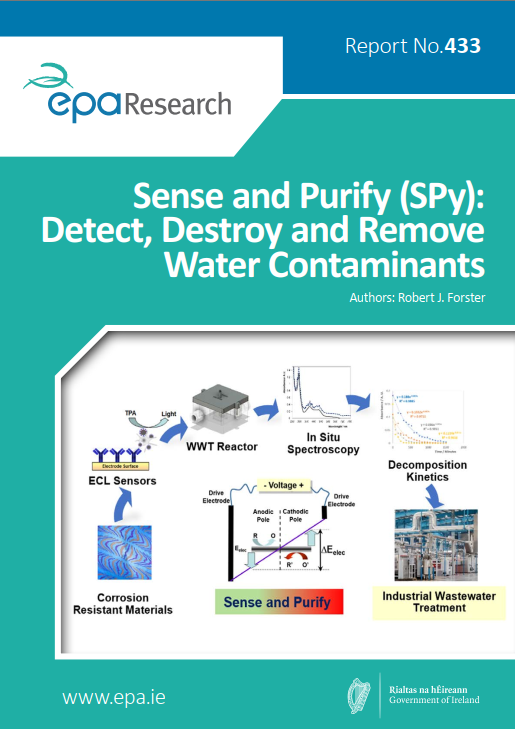
Research 433: Sense and Purify (SPy): Detect, Destroy and Remove Water Contaminants
Authors: Robert J. Forster, June 2023
Year: 2023
Many wastewater streams, such as those from the pharmaceutical and food industries or from municipal wastewater, for example, contain pollutants. The SPy project developed the eco-innovative ‘Sense and Purify’ (SPy) technology, which has significant advantages over traditional treatment processes, including low operations costs, significantly lower energy consumption, higher conversion efficiency, better effluent water quality and lower waste production.
EPA Researchers Awards 2023 Photograph Winner
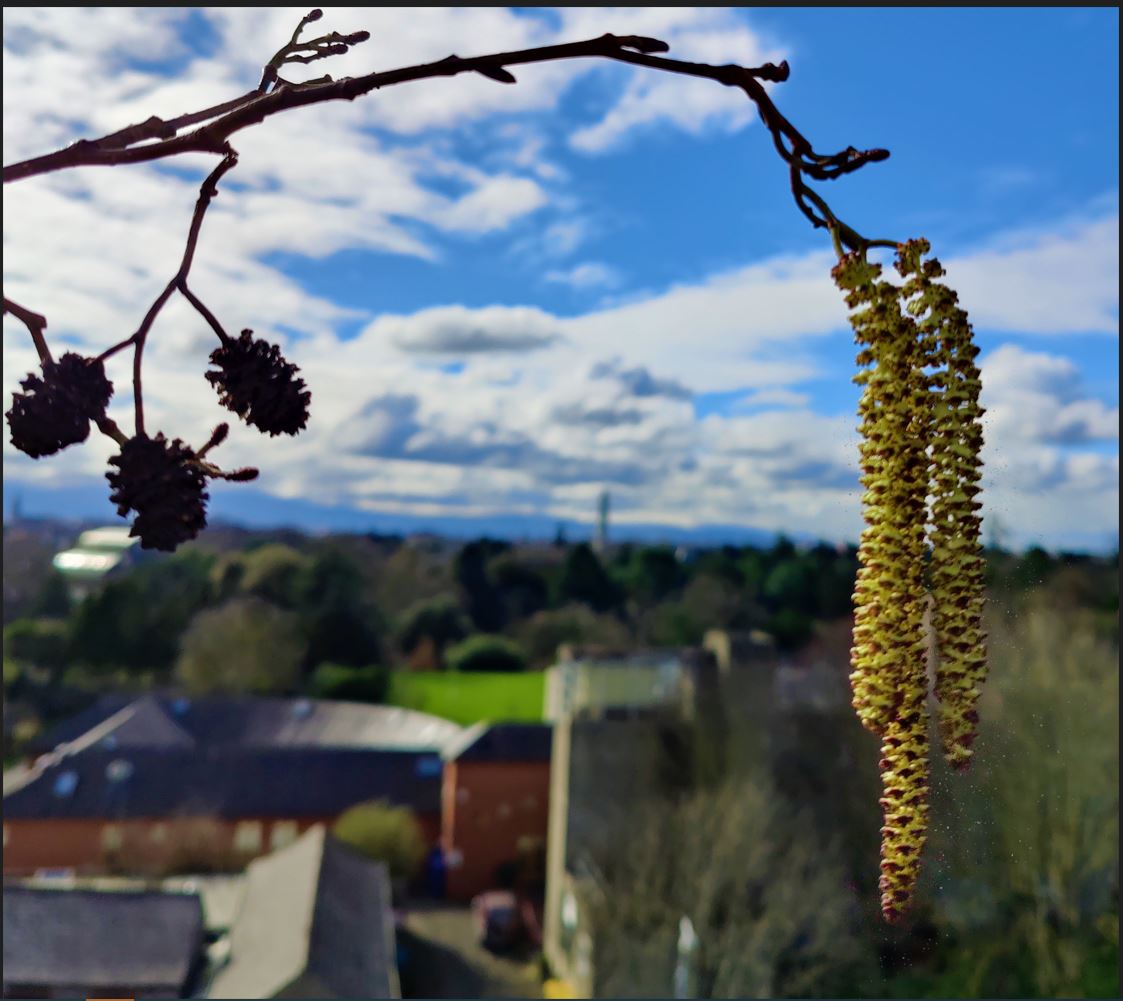
Pollen over Dublin City: Urban Exposure , May 2023
Year: 2023
Ireland has one of the highest incidents rates of asthma in the world with 80% of Irish asthmatics also possessing pollen allergies. Therefore, airborne pollen represents and immediate respiratory risk to the Irish public, especially for those in urban areas. The Irish monitoring network has only very recently commenced tracking the airborne pollen. Previously only broad inaccurate forecasts made in the UK were available. This entry represents the hard work that has gone into establishing a pollen monitoring network. The image was taken atop the Met Éireann facility, showing a pollen catkin against the city back-drop, with O’Connell tower seen piercing the sky. The image was taken on the day the first pollen sampler was installed there. Since then, we have continued to monitor pollen in Dublin and at several other sites with the hopes of continuing and improving the network and sharing results with those that need it.
EPA Researchers Awards 2023 Infographic Winner
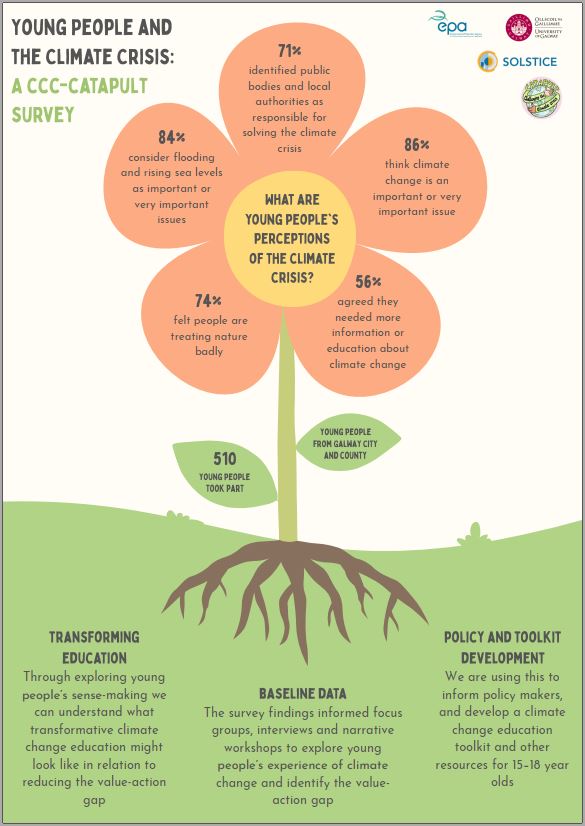
CATAPULT Survey Infographics, May 2023
Year: 2023
Details of a unique survey questioning 15 – 18 year olds in Galway city and Galway county schools on their experiences of climate change and the climate crisis. Survey undertaken not only in Ireland but in three other European countries, UK, Finland and Italy also with nearly 2000 young people aged between 15 – 18 years of age participating. One of the outcomes of this online survey was generation of baseline data set for Focus Groups, Interviews and Narrative Workshops. Another outcome of the survey to inform stakeholders and policy makers, and facilitate in the production of a Climate Change Education Toolkit and resources for both formal and informal educational settings.
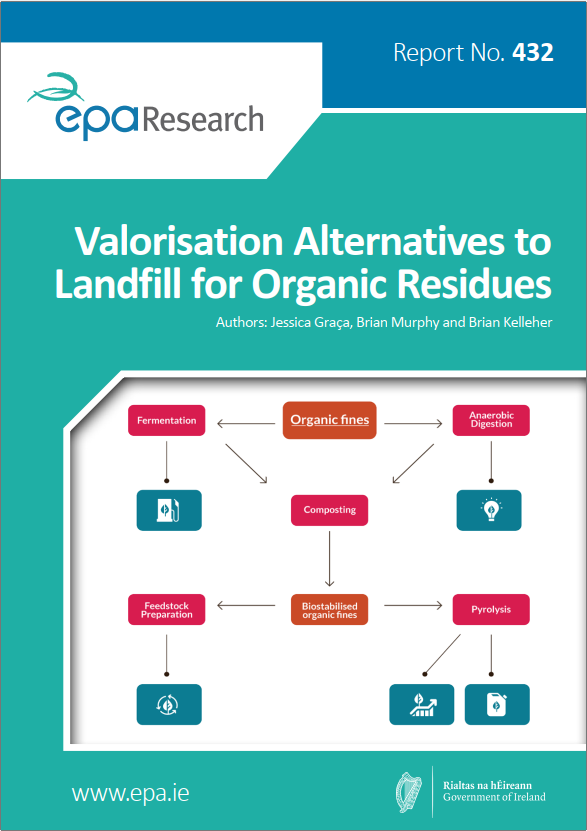
Research 432: Valorisation Alternatives to Landfill for Organic Residues
Authors: Jessica Graça, Brian Murphy and Brian Kelleher, May 2023
Year: 2023
The EPA’s latest data (November 2022) show that municipal waste generation increased by over 440,000 tonnes in the last 5 years, and now amounts to 3.2 million tonnes. The VALOR study looked at how the resource value of the mechanically separated organic fraction of municipal solid waste (MS-OFMSW) can be maximised. The study also characterised the organic fractions of municipal solid waste (MSW).
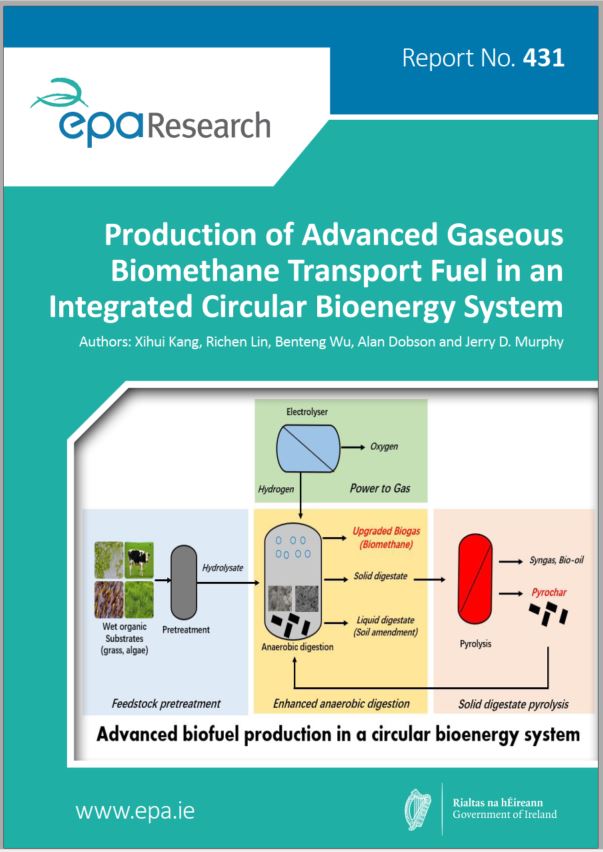
Research 431: Production of Advanced Gaseous Biomethane Transport Fuel in an Integrated Circular Bioenergy System
Authors: Xihui Kang, Richen Lin, Benteng Wu, Alan Dobson and Jerry D. Murphy, April 2023
Year: 2023
Transport is by far the largest source of energy-related CO2 emissions in Ireland. This highlights the need for a rapid transition from a linear fossil fuel-based economy to a bio-based economy that treats waste as a commodity, reduces GHG emissions, sequesters carbon and produces biofuels, biofertilisers, and bioproducts. The aim of the Advanced Gaseous Biomethane project was to develop an integrated system that produces biomethane using biomass to fuel the transport sector cleanly and support Ireland in achieving key emissions targets.
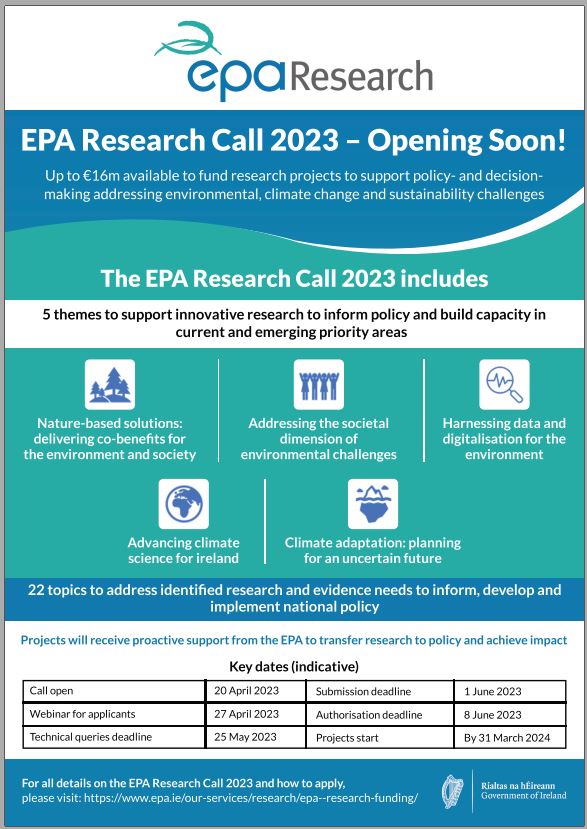
EPA Research Call 2023 Opening Soon
Year: 2023
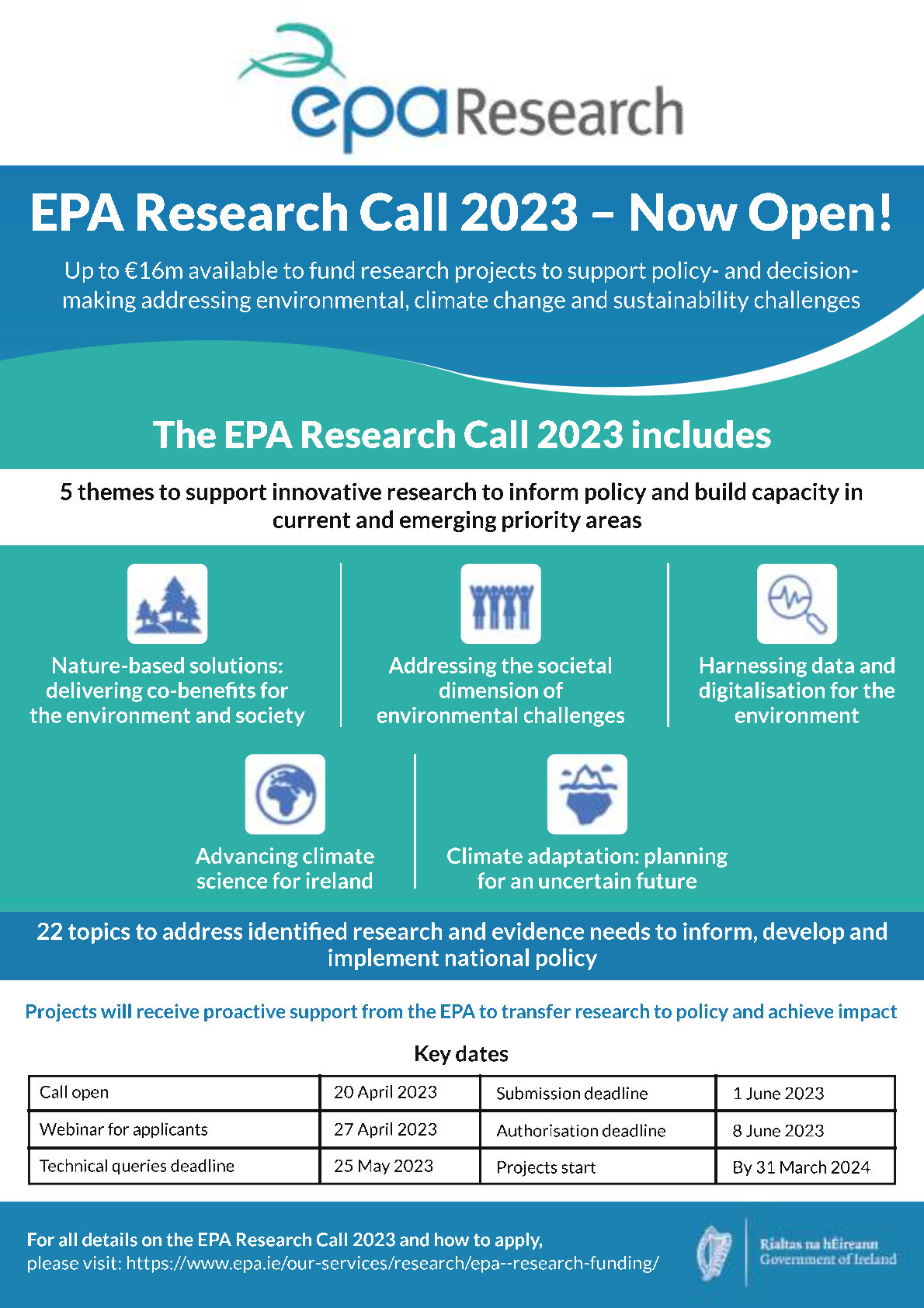
EPA Research Call 2023 Now Open
Year: 2023